Manchester remains one of the most vital hubs for electronic music in the UK and Europe. Home to legendary clubs and concert venues, it is the birthplace of groundbreaking genres that shaped the evolution of music. Manchester owes its unique character not only to its rebellious spirit but also to the widespread adoption of cutting-edge technology. Today, the city’s electronic music scene is entering a new era, with IT deeply integrated into the industry—from home recording studios to the logistics of massive events, as detailed by the specialized resource manchester-trend.
From Early Experiments to Digital Sound
The history of digital electronic music in Manchester goes back quite a long way. In the early 1950s, the University of Manchester hosted the first-ever recordings of computer-generated music. One of the world’s first demonstrations of a computer playing music was performed on the Ferranti Mark 1 computer. The recording was made in the autumn of 1951 during a visit by a BBC outside broadcast team to the university. The Ferranti Mark 1 played tunes for the “Children’s Hour” program, and once the recording was finished, BBC engineer Frank Cooper wanted to get his own copy. While direct copying was impossible due to the technical limitations of early computers, they managed to make a one-off recording on a single-sided “Mark 1” disc. Over time, this recording was handed over to the Computer Conservation Society, later delivered to the National Sound Archive, and eventually transferred to an audio cassette. This experiment was a major milestone in the history of electronic music and IT.
The city was steadily turning into a hub of musical innovation. By 1978, the iconic independent record label Factory Records was founded. They embraced new studio technologies and experimented with electronic sound. Music producer Martin Hannett utilized innovative sound equipment and pushed boundaries in the studio. Fittingly, one of Joy Division’s early tracks was titled “Digital,” reflecting the band’s fascination with new sound technologies.
One of the devices Hannett used to shape Joy Division’s sound was the DMX 15-80 digital delay line, developed by AMS audio engineers in Burnley. It was this piece of gear that gave recordings by Joy Division, New Order, and other acts their signature atmospheric depth.
The real breakthrough in integrating IT into the electronic music scene came with the rise of the legendary club The Haçienda. It was there that Manchester locals and visitors first experienced techno and house music imported from Detroit and Chicago. During this period, Manchester musicians began blending analog synthesizers with digital sequencers and computer-based recording systems, generating a unique sound. It was an era of music, dance, and self-expression that united people from all walks of life and left a lasting impact on the city.
Digital Technology and Manchester’s Modern Electronic Scene
Today, the electronic scene in Manchester is unthinkable without technology. Its unique venues have easily adapted to the digital era. Live streaming, generative audio, and even artificial intelligence have fueled the rise of experimental genres. The city’s artists leverage virtual synthesizers, Digital Audio Workstations (DAWs), and online platforms to showcase their work to the world.
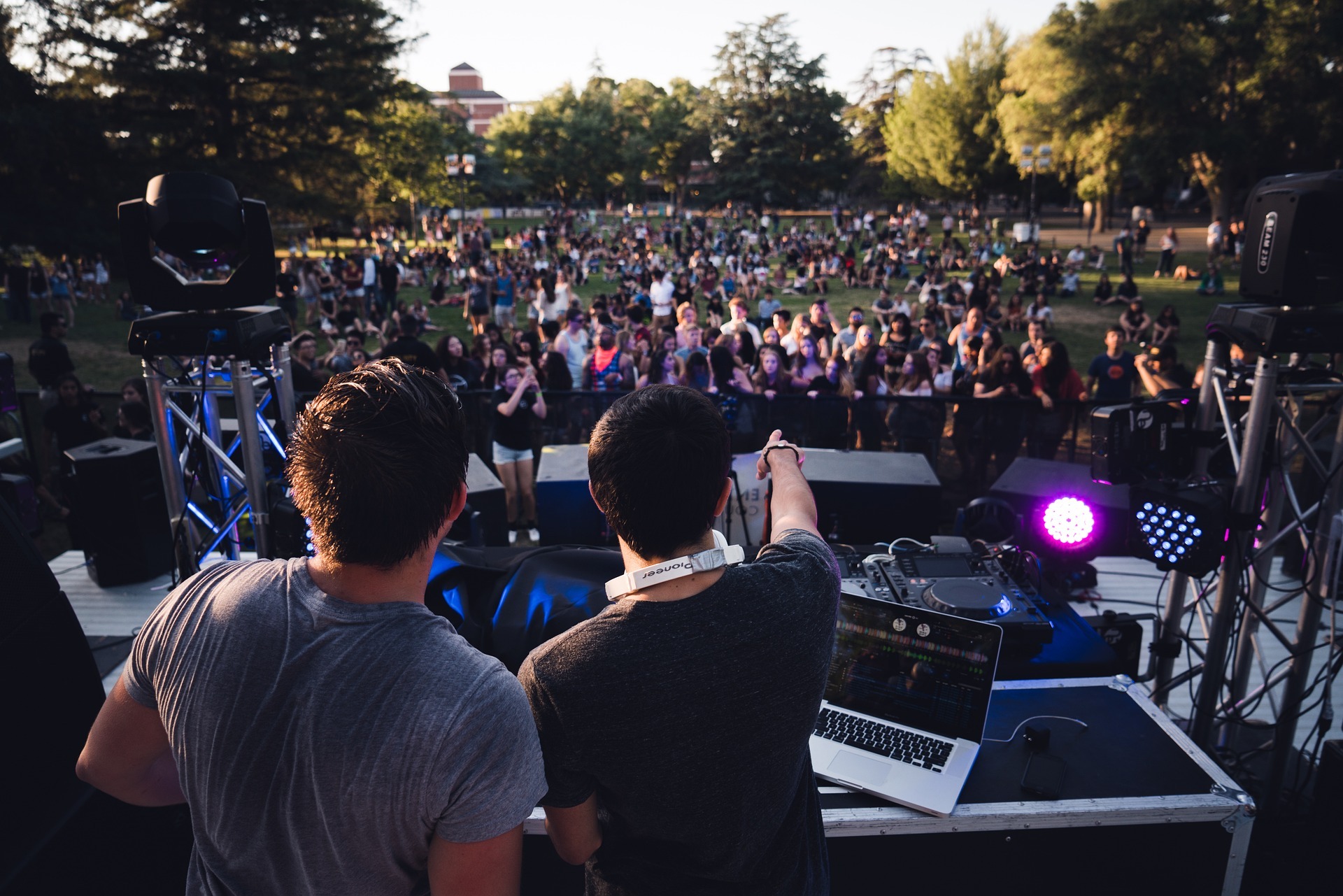
Key technological drivers shaping the city’s electronic music scene:
- Digital recording and professional-grade home studio gear.
- Production with DAWs like Ableton Live, Logic Pro, and FL Studio.
- Music distribution through Spotify, Apple Music, and Bandcamp.
- Promotion via social media platforms.
- Implementing secure digital ticketing systems to prevent fraud.
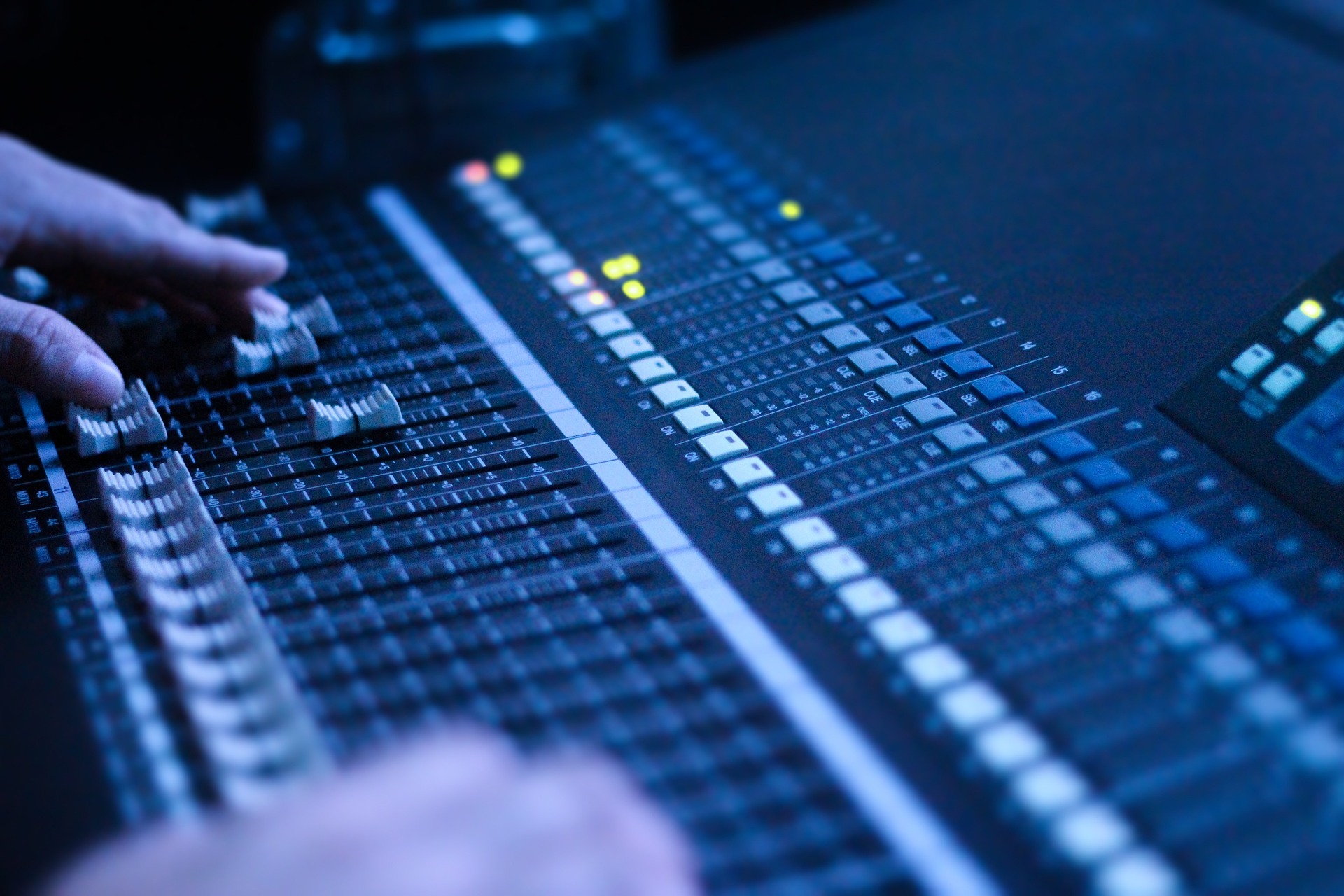
- Smart lighting consoles controlled via DMX network protocols for real-time visual synchronization.
- Creating digital archives to preserve Manchester’s rich musical heritage.
Backed by IT, Manchester’s modern venues have redefined club culture. For instance, The Warehouse Project at Depot Mayfield has turned into a massive space equipped with state-of-the-art audiovisual systems for electronic events, while Eastern Bloc Records in the Northern Quarter seamlessly blends vinyl culture with digital music production.
Summary Table: How IT Transformed the City’s Electronic Music Scene
| Category | The Past | The Present |
| Music Distribution | Record store sales | Spotify, Bandcamp, SoundCloud |
| Music Recording | Studios & tape recorders | Digital DAWs (Ableton Live, Logic Pro, FL Studio) |
| Live Performances | Vinyl & live hardware synths | MIDI controllers, digital consoles, LED visuals |
| Artist Promotion | Press & record labels | Instagram, TikTok, YouTube, Resident Advisor |
The impact of IT on Manchester’s electronic music scene has been profound. The city has become renowned for its high-tech venues and its electronic music, which relies heavily on digital software to craft sounds. All of this helps Manchester retain its status as one of the UK’s most prominent electronic music hubs.