


Manchester is not just a city famous worldwide for its industrial heritage. It is truly the rock and indie music capital of the United Kingdom. This title has been well-earned, not only because of the number of successful bands that originated here but also due to the cultural and musical revolution that swept through the city’s streets in the latter half of the 20th century. For decades, Manchester has hosted some of the most legendary music festivals, concerts, and other events that reflect the rebellious spirit of the city’s rock and indie music scene. Next on manchester-trend.
Historical Roots of Rock and Indie in Manchester
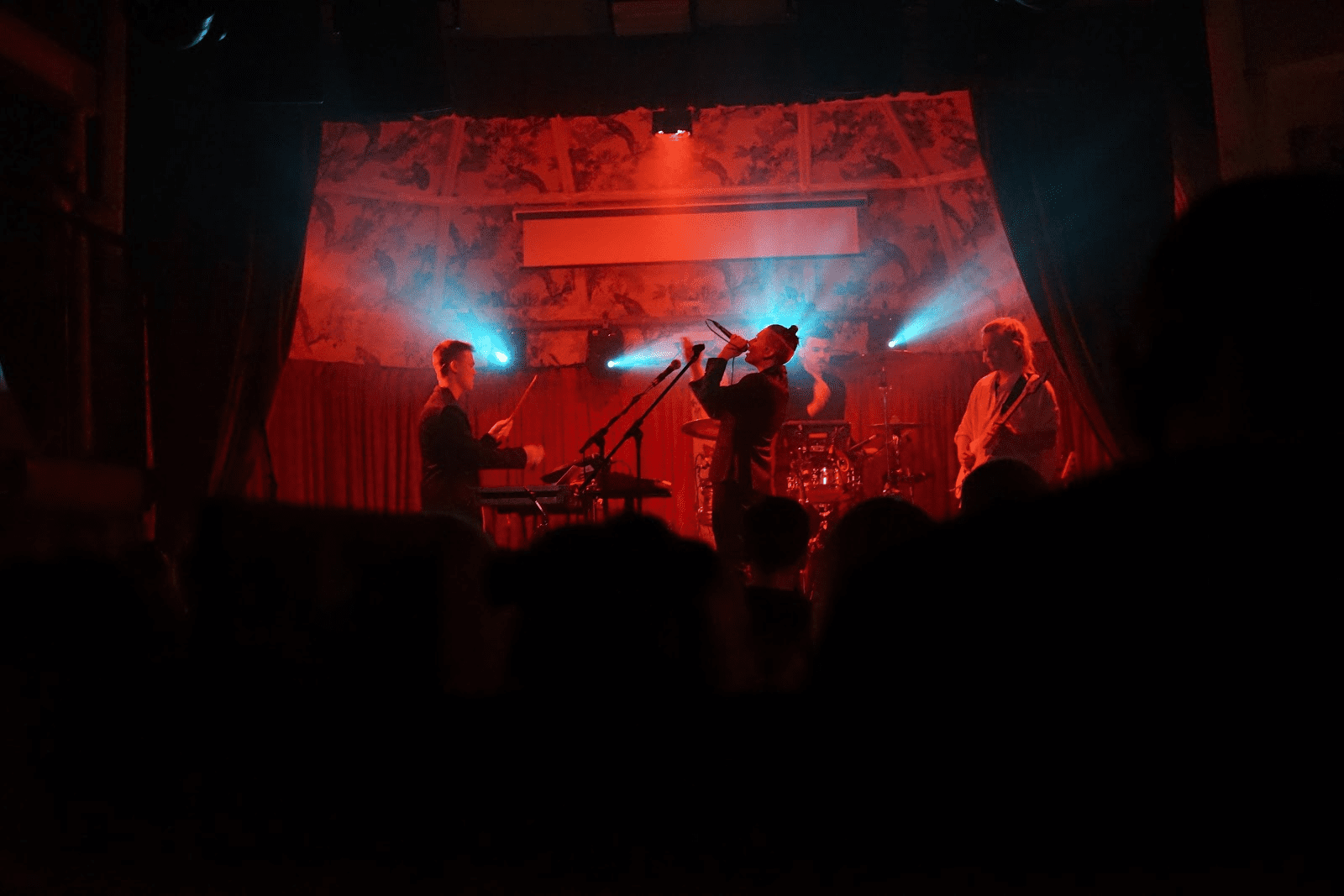
Long before Manchester was recognised as a music capital, it was a typical grey industrial city driven by textile production. However, even amid the gloom and smoke of factories, people sought creativity and artistry. This mindset eventually shaped Manchester’s vibrant music scene.
In the 1960s, the rock era began. During this time, bands like The Hollies and Herman’s Hermits were formed, taking centre stage in developing the city’s rock culture and the nation’s music scene. These bands not only positioned themselves as representatives of a new musical generation but also popularised rock culture, showcasing Manchester as a place where talent could thrive and where people dared to challenge existing social and political norms.
It wasn’t until the late 1970s and early 1980s, however, that Manchester’s music industry reached new heights. The city became more than just the birthplace of numerous rock bands; it became the cradle of an entire movement. This movement was one of the most significant and influential in the music industry, giving rise to legendary rock bands like The Stone Roses, New Order, and Joy Division.
The Indie Era in Manchester
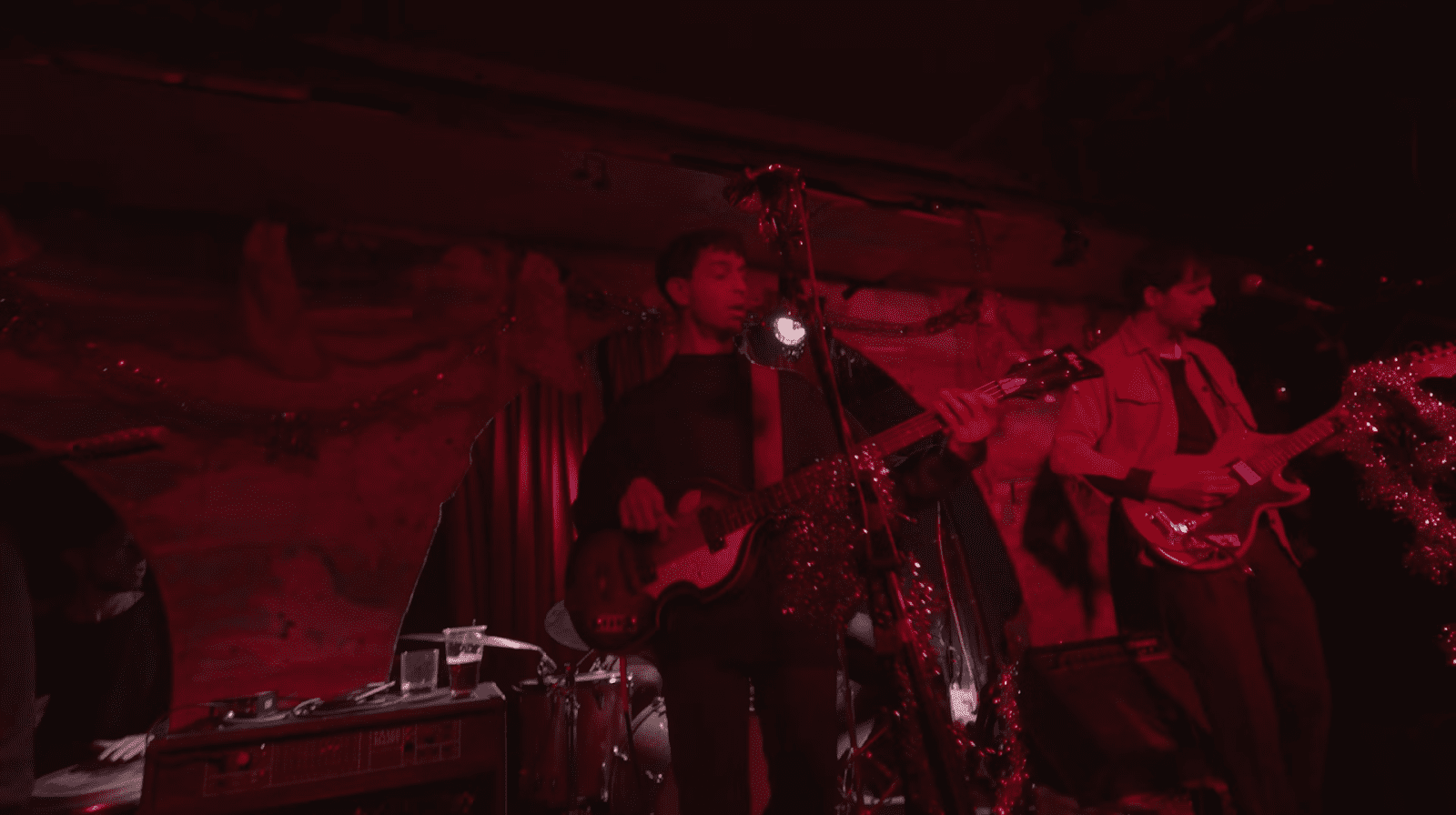
While the rock, punk, and post-punk movements of the 1970s laid the groundwork for Manchester’s booming music industry, indie rock began to emerge as a cultural phenomenon in the early 1980s. The 1980s were an era when Manchester’s music was divided into various subcultures. Punk had all but disappeared from the repertoire of local bands, leaving behind a DIY ethos that deeply influenced indie culture.
Manchester-based bands began moving away from the raw aggression of rock and punk, adopting more melodic, introspective, and captivating sounds. One of the first bands to emerge in this movement was The Smiths, formed in 1982. This band became a defining force for indie rock, not just in Manchester but across the UK. Their melancholic yet deeply emotional songs offered listeners an alternative to synth-laden pop music. Nearly every song they released topped the charts of the time.
The iconic Factory Records also played a significant role in promoting indie music culture in the 1980s. Meanwhile, the legendary Manchester nightclub Haçienda became a central hub for indie music development during the 1980s and 1990s. Though it is often associated with the Madchester movement, Haçienda was instrumental in launching the careers of emerging indie artists. It was a genuine heart of Manchester’s indie culture.
By the late 1980s, Manchester’s indie music scene began to evolve, thanks largely to the Madchester movement. Bands like The Stone Roses and The Charlatans started experimenting, blending indie sounds with the emerging rave culture. This fusion birthed a new musical style incorporating elements of dance music, psychedelia, and rock. These innovations made indie music more vibrant, experimental, and closely tied to Manchester’s club culture.
Manchester Crowned the Rock and Indie Capital of the UK
“Manchester crowned the rock and indie capital of the UK” was the title bestowed upon the city after a 2015 study revealed that it hosted more rock, indie, and alternative events than any other UK city outside London.
The study found that Manchester led the way in rock, indie, and alternative events, with approximately 2,902 concerts held in 2015 alone. This figure far surpassed the number of concerts held in any other city in the country outside London.
Manchester’s status as the rock and indie capital of the UK, however, is not only attributed to its homegrown bands and the sheer number of events but also to its wealth of specialised venues.
The city boasts the highest number of venues listed among the UK’s 25 busiest rock venues. Manchester Academy emerged as one of the most visited rock venues, hosting around 349 events in 2015. It ranked among the top five locations for rock and indie events in the UK.
Other Manchester venues also made it into the top 25. These include The Deaf Institute, hosting over 300 events annually; O2 Ritz, with approximately 250 events; Soup Kitchen, hosting 236 events; and Gorilla, which saw around 226 events in 2015.
It is clear that Manchester’s status as the rock and indie capital of the UK is supported by multiple factors, with its vast array of active venues being one of the primary criteria.