


The development of the music industry in Manchester is closely tied to its rich industrial history. As the city grew in the 19th century, so did its interest in music, leading to the establishment of various music venues that catered to the diverse tastes of its citizens. Dive into the story on manchester-trend.
Where Did Mancunians Listen to Music in the 19th Century?
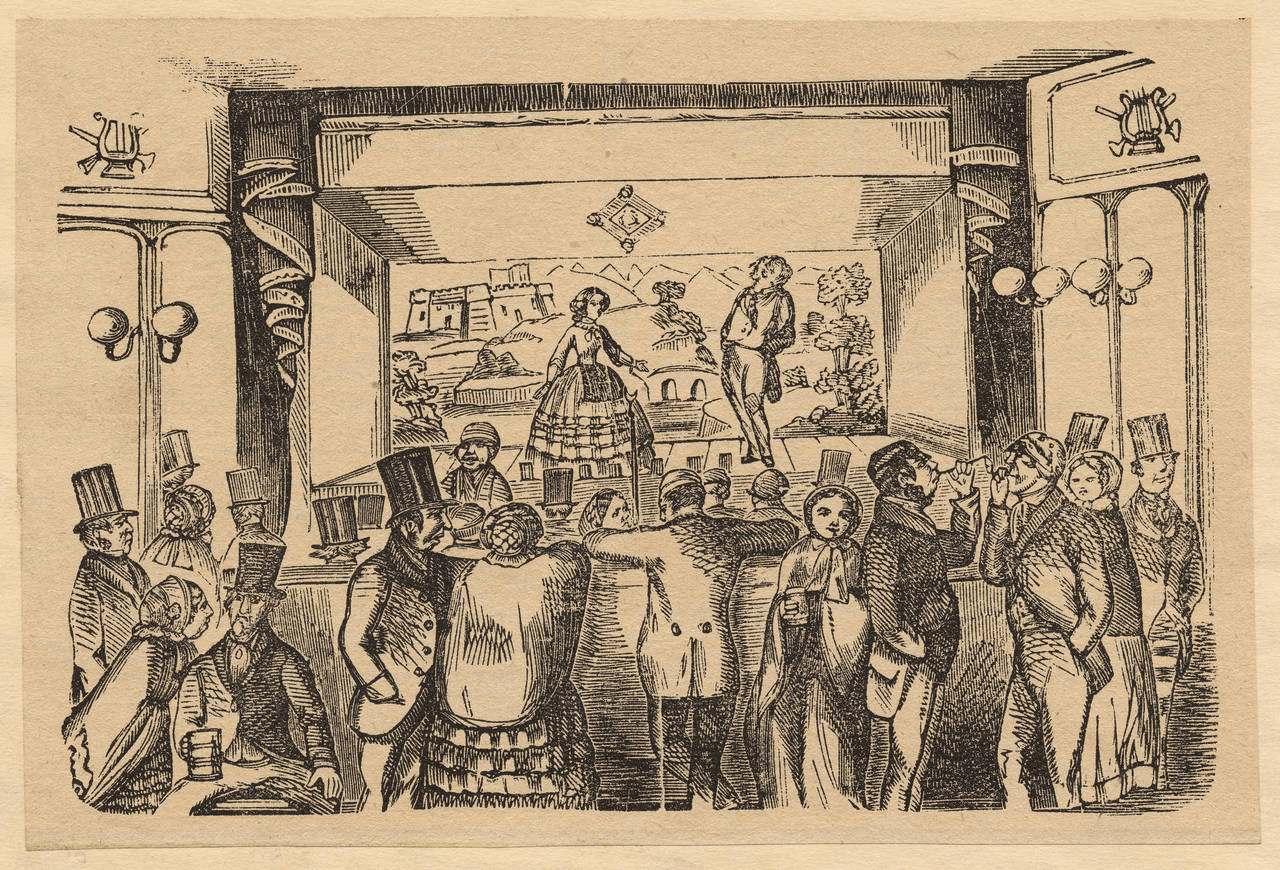
Many Mancunians may not realise it, but the city’s musical culture began to take root in local bars, taverns, and special dining rooms. In the 19th century, popular spots for music enthusiasts included pubs such as the George & Dragon and the Rising Sun. These venues often transformed into noisy hubs where performances took place one after another. However, the audience’s behaviour left much to be desired—they often talked loudly during performances and sometimes threw objects at the performers, ranging from bottles and old shoes to the remains of dead animals.
By the 1830s, the number of pubs with small concert rooms increased significantly, fostering a growing movement in musical entertainment.
From Taverns to Music Halls: The Evolution of Manchester’s Music Scene
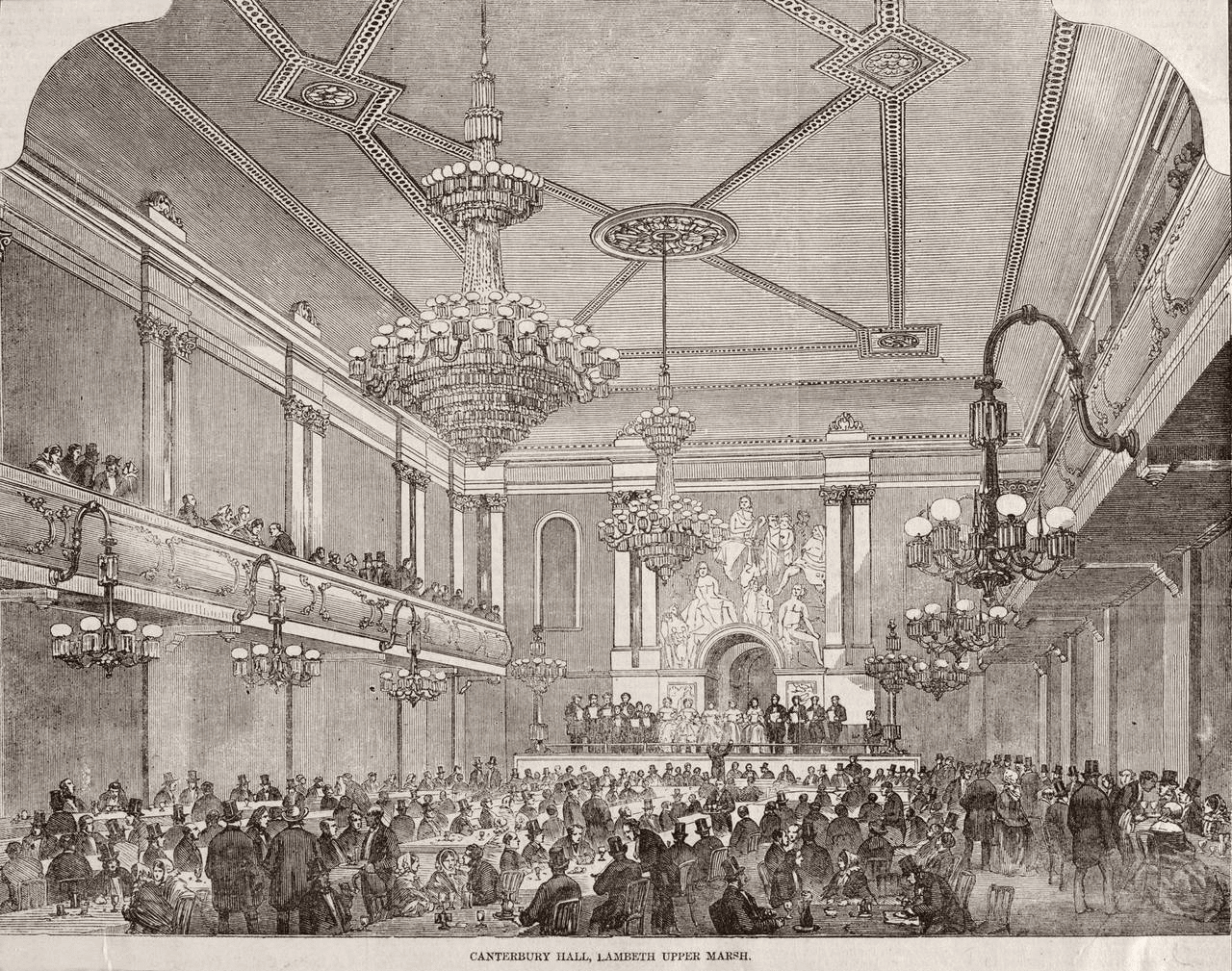
By the mid-19th century, music-filled pubs were on every corner, becoming a popular form of entertainment. However, Manchester also boasted larger venues than simple taverns. These included small concert halls, known as music halls. By the 1860s, establishments like Burton’s People’s Concert Hall, Alexandra, Victoria, and London could host over 1,500 people—significantly more than the capacity of local pubs and taverns.
These music halls quickly became central to Manchester’s music scene. They offered accessible entertainment for the working class and catered to a broader range of musical tastes.
The organisation of these early music halls reflected their pub origins. Initially, patrons could eat and drink while enjoying the music, a tradition carried over from pubs. By the late 19th century, however, dedicated buffets, bars, and cafes were established outside the concert halls, shifting the focus to the performances themselves.
What Songs Were Performed in 19th-Century Manchester?
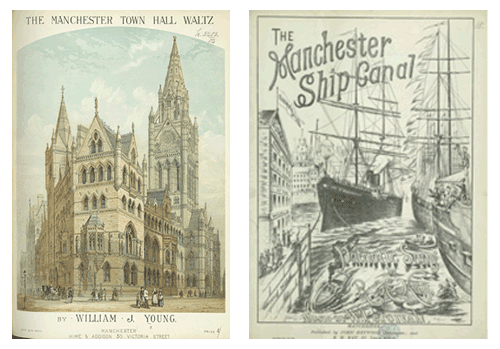
By the 1870s, popular performances in Manchester’s music halls included The Manchester Town Hall Waltz and The Manchester Royal Exchange Gallop.
Patriotic songs were also in high demand. A notable favourite among the Manchester audience was Charles Godfrey’s 1887 composition Oh What a Happy Land is England. Songs about everyday life were equally popular, resonating with locals for their relatable themes and memorable lyrics.
In the first half of the 19th century, singing was one of the most common forms of musical entertainment in pubs and on Manchester’s streets—a precursor to modern-day karaoke.
Instrumental performances were also widespread. In Manchester’s pubs, instruments like the banjo, tambourine, accordion, bones, flutes, whistles, and clarinets were commonly played. By the mid-19th century, pianos accompanied by violins and harmoniums became popular in Manchester’s musical pubs.
The thematic diversity of the songs performed in pubs was remarkable. Religious and political themes were particularly prevalent, often eliciting strong reactions from the Manchester audience.
The George & Dragon pub became the focal point of Manchester’s burgeoning musical culture in the early 19th century. This venue hosted some of the city’s first musical sessions.
Despite the enthusiasm for music, performances were not without challenges. The rowdy behaviour of Manchester audiences often turned musical events into chaotic spectacles. One of the most notorious incidents occurred at the Death of Nelson pub on Oldham Road, less than 500 yards from the George & Dragon.
During a patriotic ballad titled Death of Nelson, a costumer named Marshall, employed at a cotton mill on Jersey Street, performed a song with anti-Catholic lyrics. This deeply offended three patrons, leading to Marshall’s tragic murder on stage.
Despite such dramatic episodes, the 19th-century music scene in Manchester laid the groundwork for the city’s rich musical heritage, transforming it into a hub of culture and creativity that endures to this day.