


Oasis is not just one of the world’s most renowned bands but also a defining name in British rock, emerging from Manchester in the 1990s. Known for their Britpop, indie rock, alternative rock, pop rock, and neo-psychedelia, Oasis were heavily influenced by iconic bands of the 1960s British Invasion like The Beatles. The band is often described as one of the most significant and successful Britpop acts in history. Their music captured the essence of the 1990s, focusing on themes of everyday life, self-discovery, and ambition. With anthems like Wonderwall and Don’t Look Back in Anger, the band became a symbol of that era, shaping an entire generation. Featured on manchester-trend, here is a deep dive into their journey.
The Formation of a Manchester Band
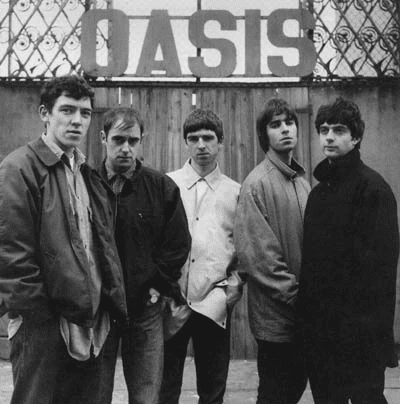
The origins of Oasis date back to 1991, when bassist Paul McGuigan, guitarist Paul Arthurs, drummer Tony McCarroll, and vocalist Chris Hutton formed a band called Rain, the precursor to Oasis. However, dissatisfaction with Hutton’s vocals led Arthurs to invite his acquaintance Liam Gallagher to audition. Liam not only impressed the band but also suggested renaming the group to Oasis. The inspiration for the name came from a tour poster for the band Inspiral Carpets, referencing the Oasis Leisure Centre in Swindon.
The Rise of Oasis and Early Success
The newly formed Oasis played their first gig in Manchester’s Boardwalk club in 1991. Those who attended were captivated by the raw energy and talent of the young performers. Their music resonated with the spirit of a generation, reflecting the rebellious energy that defined the Britpop era. Combining rock ‘n’ roll with relatable lyrics, their sound struck a chord not only with Manchester’s youth but across the UK and beyond.
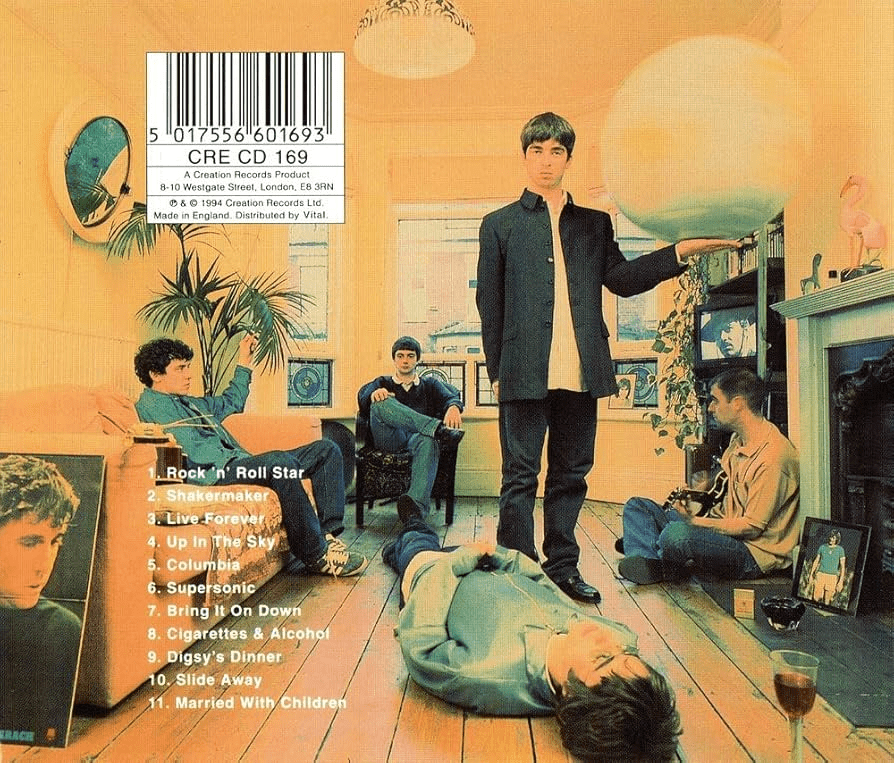
The band’s breakthrough came in 1994 with their debut album Definitely Maybe. The album reached the top of the UK Albums Chart within its first week of release, becoming the fastest-selling debut album in British history at the time. Tracks like Live Forever and Supersonic catapulted the band to fame almost overnight. Oasis became the face of Britpop, revitalising the British rock scene.
Their second album, (What’s the Story) Morning Glory?, released in 1995, brought international acclaim and cemented their place in rock history. The album became one of the best-selling records of all time in the UK, featuring timeless hits such as Wonderwall, Don’t Look Back in Anger, and Champagne Supernova. These tracks became cultural landmarks, with Wonderwall achieving global recognition as the youth anthem of the 1990s.
Style and the Legacy of Oasis
The music of Oasis is instantly recognisable, characterised by bold rock melodies and introspective lyrics. Drawing inspiration from British rock traditions, particularly The Beatles and The Rolling Stones, their music fused classic rock ‘n’ roll with modern Britpop elements.
Liam Gallagher’s distinctive nasal vocals and Noel Gallagher’s signature songwriting brought a unique intensity to their sound. Their choruses, often described as anthemic, built a “wall of sound” with layered guitar arrangements, making their music stand out from contemporaries.
As the 1990s ended and the 2000s began, Oasis continued releasing successful albums. However, their sound began to evolve into a more experimental direction with records like Be Here Now and Standing on the Shoulder of Giants. While these albums received mixed reviews, the band retained a loyal fanbase, and their live performances continued to draw massive crowds.
By 2009, internal conflicts and creative differences led to the dissolution of Oasis. Fans mourned the breakup of a band that had so profoundly shaped the 1990s music scene.
In August 2024, joyous news emerged for fans: Oasis announced their reunion and a UK and Ireland tour scheduled for July–August 2025. To celebrate, the band released a 30th-anniversary edition of their debut album Definitely Maybe, re-entering British charts with remastered classics and previously unheard demos that thrilled fans. The tour, featuring a full performance of the album, created significant excitement among long-time followers.
Oasis remains a defining force in British rock, with a legacy that continues to inspire musicians and fans alike. Their sound encapsulated an era while setting a benchmark for future bands. With their reunion, Oasis once again stands poised to capture hearts and reaffirm their place as one of the most iconic bands in music history.