


As Britain was undergoing industrialisation, Manchester became not just a major industrial centre but also a city with a rapidly developing culture. The fast industrialisation of the city caused significant social and economic changes. They, in turn, contributed to the development of a vibrant theatrical life, which secured Manchester a reputation not only as an industrial but also as a cultural centre for the entire country. Learn more at manchester-trend.
Industrial boom and urban transformation
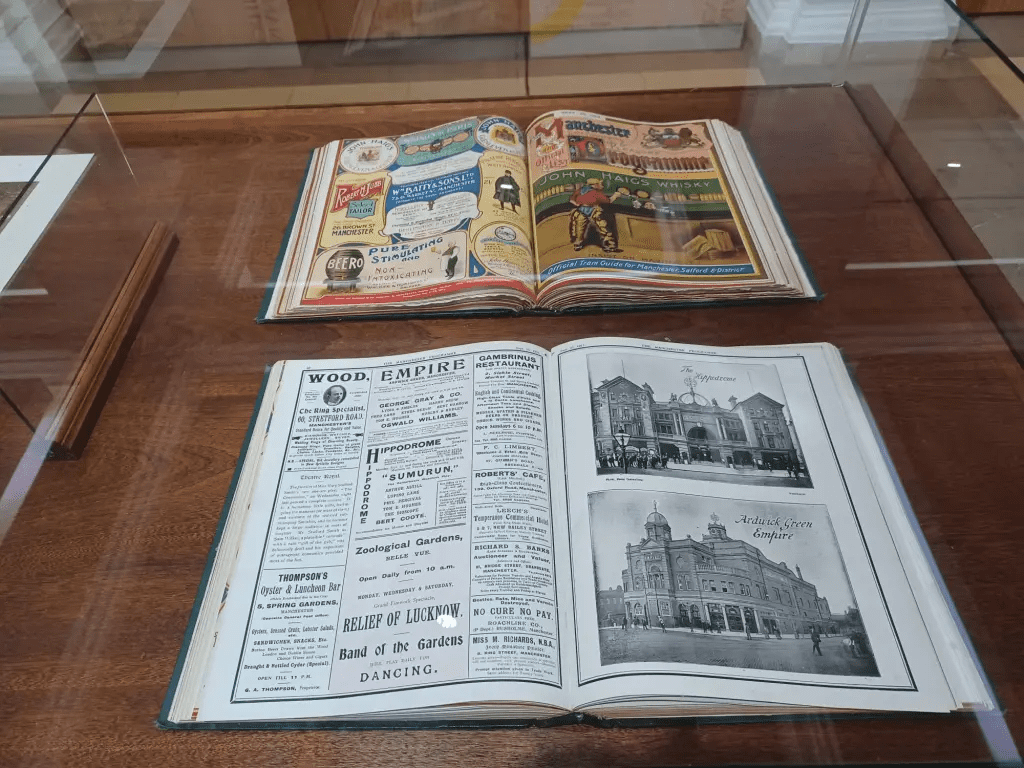
The active phase of the Industrial Revolution in Great Britain, and Manchester in particular, took place at the beginning of the 19th century. When the city acquired new factories and plants, it started to attract many workers from different parts of Great Britain and other countries. They were looking for decent work and the best living conditions. Manchester’s rapidly growing population created a demand for entertainment, which led to the creation of numerous theatres and concert venues. They became important places where people from all walks of life could gather and culturally spend their leisure time. Theatrical productions were a real escape from the hardships of industrial work.
The first city theatre played an important role in the development of Manchester as a cultural centre. It was the Theatre Royal, opened in 1775. It was an important centre of theatrical life for many years. Its stage hosted permanent acting groups and well-known travelling stars. Among the famous actors who appeared on Manchester stages were Maria Kemble, Edmund Kean, William Macready, Henry Irving and Sir Johnston Forbes-Robertson.
From the second half of the 19th century, the Prince’s Theatre on Oxford Street became the main venue for a number of significant theatrical productions, including the famous revivals of Shakespeare by John Knowles and Charles Calvert.
In the 19th century, there were other theatres in Manchester, such as the Gaiety and the Queen’s, which offered a variety of productions of different quality. The Queen’s Theatre became famous for its Shakespeare revivals by Richard Flanagan and Louis Calvert. The Independent Theatre also played a significant role, becoming the first theatre outside London to stage plays by Henrik Ibsen.
The Theatre Royal and the 1828 Music Festival
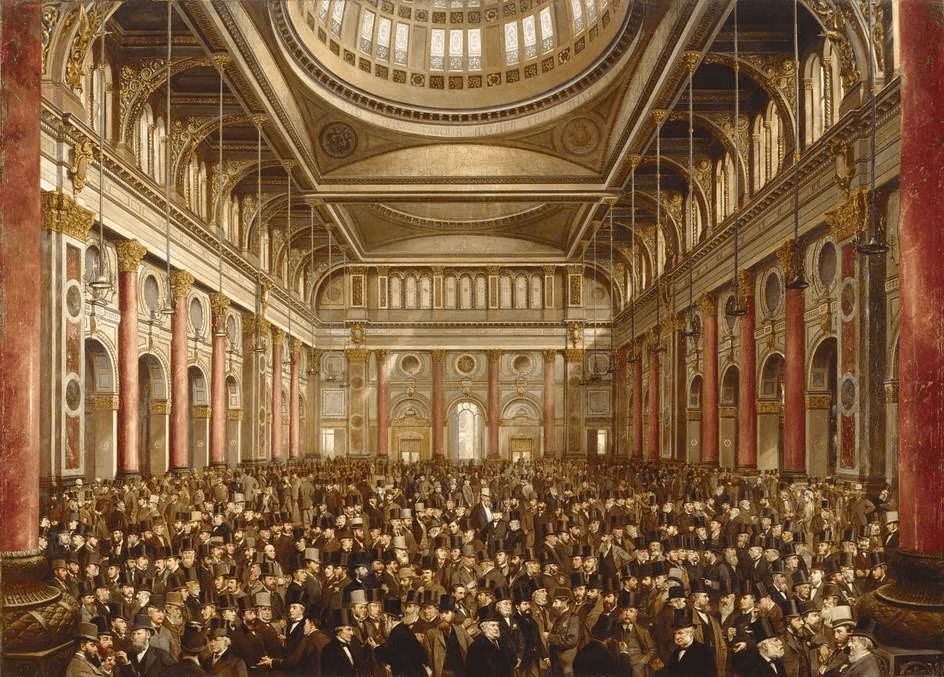
The Theatre Royal played a key role in Manchester’s cultural life during the Industrial Revolution. In 1828, it hosted Manchester’s first music festival, which ran from 30 September to 3 October and culminated in a Grand Fancy Dress Ball at the Assembly Rooms. The event attracted around 4,000 guests and highlighted Manchester’s position as not only the industrial heart of the country but also as a thriving cultural centre, with a wealth of theatres, talented actors, exciting performances and events.
Rich theatrical life as part of Manchester’s identity
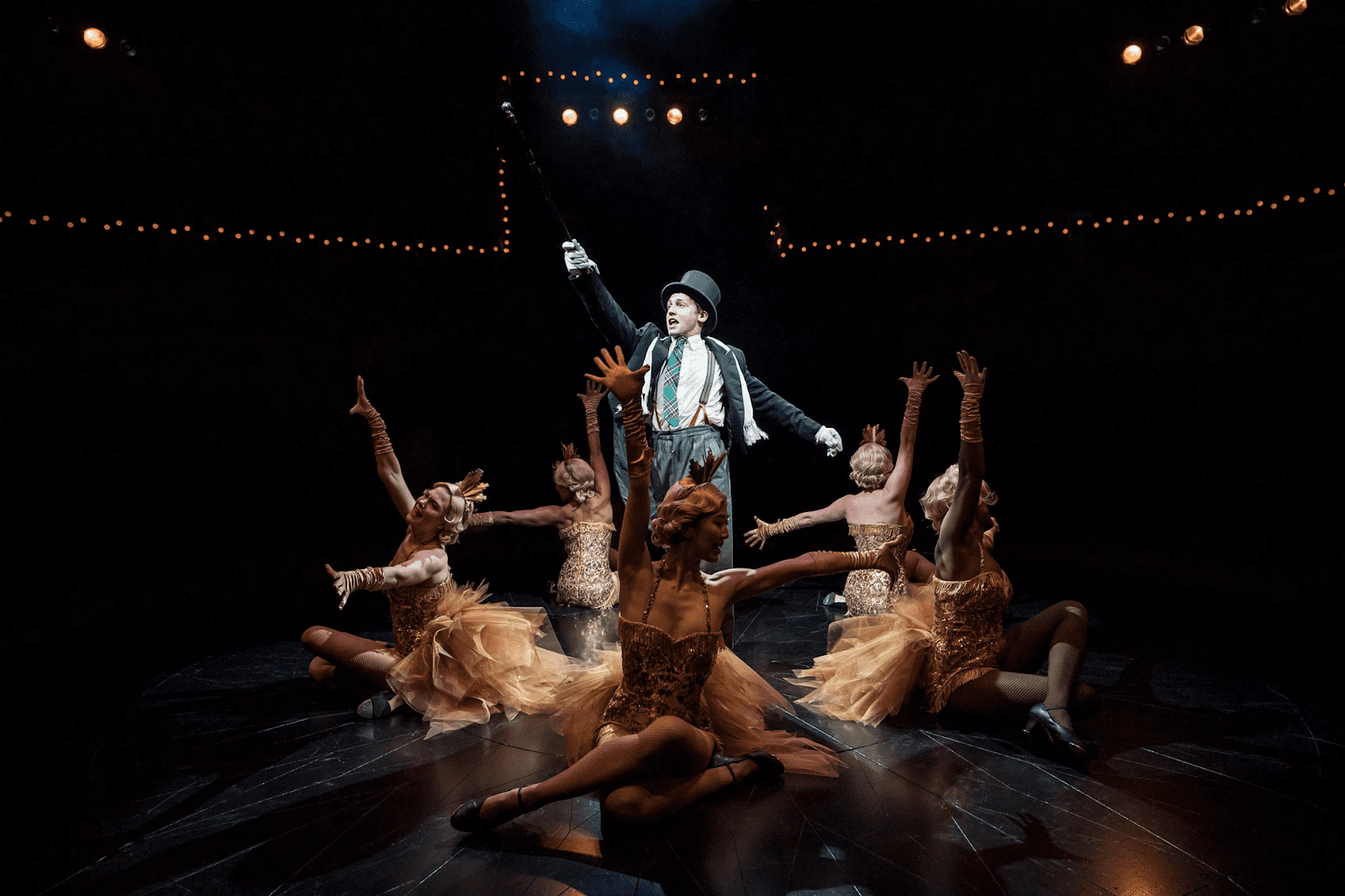
The Industrial Revolution had a significant impact on Manchester. It was not just about the emergence of new factories, plants and warehouses. Economic growth and an increase in the number of residents created conditions for the flourishing of the arts, including theatre. The construction of large venues and the holding of cultural events made Manchester an important cultural centre. The city retains this status in the 21st century. Along with industrial development, Manchester also advanced its cultural life, which strengthened its status as an important city in both industry and art. For many decades, industry and cultural life went hand in hand and were inextricably linked there.
Manchester was no less famous for its theatres in the 20th century. One of them was the Manchester Opera House, a commercial venue that hosted large-scale touring shows, including West End productions. Other famous places were the Palace Theatre and the Royal Exchange. The Lowry Centre, located in Salford, was an important venue for touring troupes.
A small but no less popular venue was the Green Room, which was focused on non-standard productions. A more modern and young Manchester theatre was the Contact Theatre, located on the university campus. Other popular cultural institutions were the King’s Arms Theatre, which was both a theatre and a music institution and the Dancehouse, which specialised mainly in dance productions.
It is also worth noting that Manchester is also home to two prestigious theatre schools, the School of Theatre at Manchester Metropolitan University and the Arden School of Theatre. In addition, the Royal Northern College of Music has several theatre spaces, which are especially famous for their opera and classical music productions. These educational institutions train future actors, directors and set designers, providing a high level of preparation and close interaction with the professional theatre industry. These schools often host workshops, creative labs and student performances, providing a platform for young talents. In addition, Manchester hosts annual theatre festivals and competitions, attracting performers and audiences from all over the world, further cementing its status as the cultural hub of the UK.