


Manchester has long been associated with its industrial heritage, often regarded as the world’s first industrial city, bustling with round-the-clock manufacturing. However, in the 21st century, the city has evolved far beyond this image. Today, Manchester is also considered a cultural hub in the UK, where various creative industries have flourished for over a century. This article explores the development of cinema in the industrial city of Manchester. More on manchester-trend.
Theatre and Cinema in Manchester: Entertainment for Residents

With the rapid industrial growth of the city, cultural institutions began to emerge at an equally fast pace. By the mid-19th century, Manchester boasted several theatres and concert halls, primarily concentrated in the Oxford Street–Peter Street area, welcoming both residents and visitors alike.
Cinema made its first appearance in the city in the late 19th century through travelling shows and early film screenings. In 1896, the Lumière brothers introduced the magic of moving images to Manchester. Residents were captivated by this groundbreaking new form of entertainment.
As the demand for films grew, so did the need for dedicated venues. By the early 20th century, Manchester had become a cinematic hub, with many new cultural venues, particularly cinemas, sprouting up in the Oxford Street–Peter Street area. By the 1920s, Manchester had attracted cinephiles from all over the UK.
In the 20th century, the entertainment district around Oxford Street–Peter Street expanded to include several cinemas alongside theatres and concert halls. Notable venues included Gaumont, Paramount (later renamed Odeon), Oxford, and Scala.
The Golden Age of Cinema in Manchester
The 1930s to the 1950s marked the golden age of cinema in Manchester. Lavish Art Deco cinemas, such as the Gaumont, were especially popular during this time.
These venues were more than just places to watch films—they served as social centres where people could escape the hardships of daily life. The grandeur of these halls, with their plush seating and opulent interiors, made going to the cinema a special occasion for Manchester residents.
Moreover, cinema was so deeply ingrained in Manchester’s culture during this era that nearly every community in the city had its own local theatre.
The Decline of Cinema’s Popularity

The wartime and post-war years brought significant changes to Manchester’s cinematic landscape.
By 1946, cinema attendance had declined from 1.6 billion viewers to 1.2 billion by 1955. The advent of television and video rental in the 1970s further reduced cinema audiences, leading to the closure of many establishments.
By 1984, cinema attendance in Manchester had dropped to an all-time low of 54 million people. Consequently, over a hundred cinemas in Manchester permanently shut their doors by the start of the 21st century. Many of these cinemas, built with grandeur in the early 20th century, required substantial funding and maintenance, which became unsustainable due to dwindling attendance. As television sets became household staples, many of Manchester’s cultural landmarks were closed and demolished.
What Happened to Manchester’s Cinema Culture?

In the 21st century, multiplex cinemas began to appear in Manchester, offering a variety of film formats under one roof. Independent cinemas also gained prominence during this period, with venues like Cornerhouse, later renamed HOME. These spaces became dedicated to showcasing independent and international films and hosting cultural events.
Manchester has also become a hub for film production, with three main production areas in the city. The eastern district houses Space Studios and Sharp Project, while independent companies operate in the city centre between the Northern Quarter and Spinningfields. In the west, the renowned Media City plays a significant role.
Additionally, annual film festivals in Manchester have contributed significantly to the city’s cinematic culture. These events provide a platform for emerging filmmakers and introduce local audiences to international cinema, celebrating the art of filmmaking.
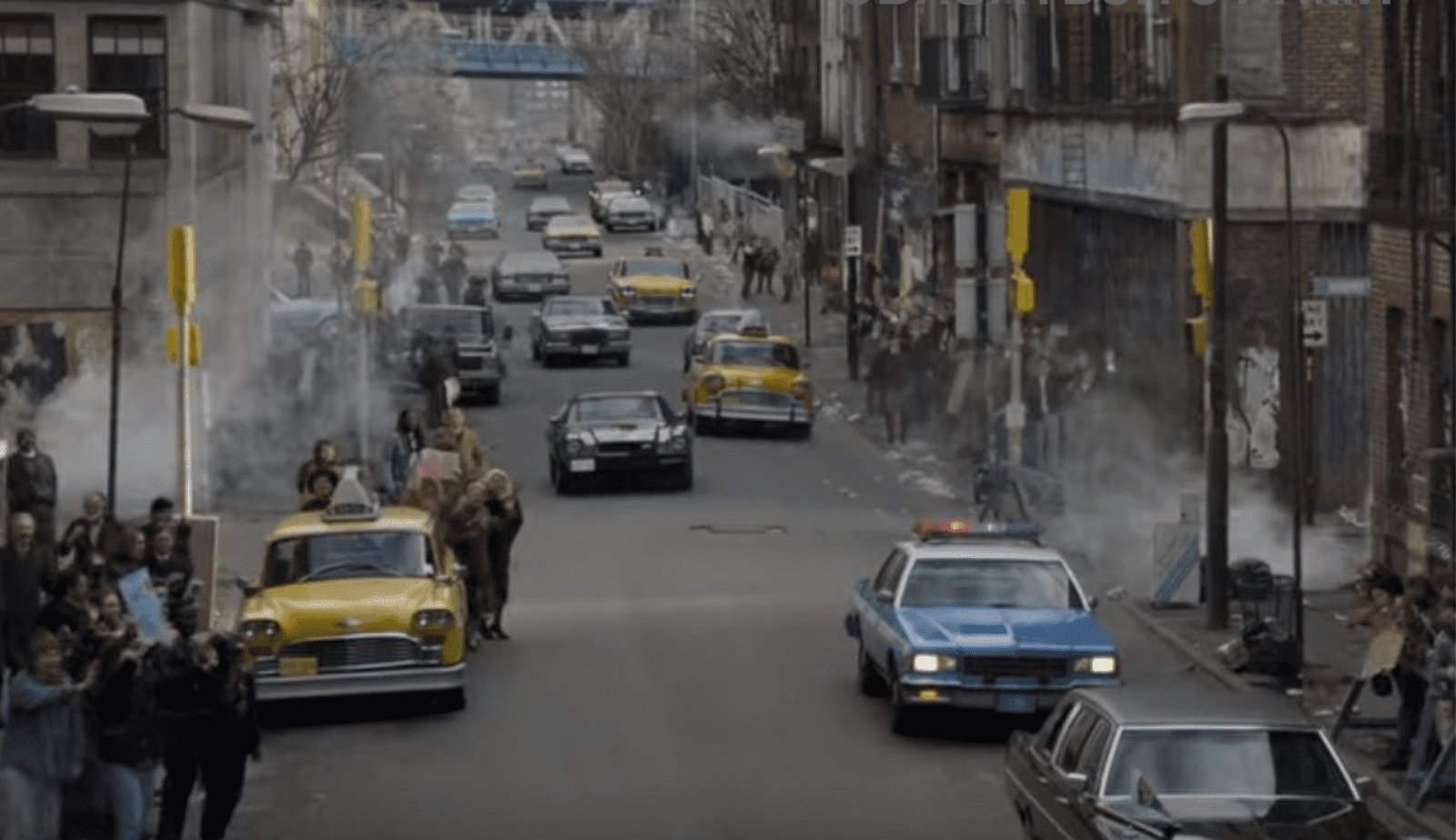
Manchester’s diverse architecture and vibrant culture have also made it a sought-after location for film shoots. Iconic films and series such as Sherlock Holmes, The Crown, Peaky Blinders, Harry Potter, and Coronation Street were filmed in Manchester.
Despite the loss of its legendary grand cinemas, Manchester remains a cinematic hub in the 21st century. This is thanks to its array of independent cinemas and creative spaces that offer audiences a unique and engaging experience.
Sources
- https://www.slideshare.net/slideshow/intro-manchester-the-film-industry/16645835
- https://screenmanchester.com/
- https://screenfilmschool.ac.uk/manchester/life/
- https://www.mancunianmatters.co.uk/entertainment/21102021-manchesters-lost-cinemas/
- https://secretmanchester.com/independent-cinemas-manchester/
- https://unifresher.co.uk/cities/manchester/a-guide-to-cinemas-in-manchester/