

In the 19th century, Manchester stood as a powerhouse of the Industrial Revolution. As factories multiplied, the city’s population surged, bringing with it an urgent demand for quality leisure. Despite the grueling shifts on the production lines, Mancunians always found time for cultural enrichment.
From ballet and theatre to music halls and the dawn of cinema, entertainment became an essential escape. These pastimes catered to everyone: from the elite in their private boxes to the working classes in the “shilling galleries.” To dive deeper into the leisure habits of Victorian Manchester, visit manchester-trend.
The Main Attraction: The Golden Age of Theatre
The undisputed king of entertainment was the theatre, where performances regularly played to packed houses. However, it took time for the stage to be seen as a “respectable” pursuit. Initially, opera houses were the preserve of those who could afford a high-priced ticket, but by the Victorian era, theatre was becoming increasingly accessible to the middle and working classes. After 1850, a vibrant theatrical district began to flourish around Oxford Street and Peter Street.
The city’s crown jewel was the Theatre Royal Manchester, which opened its doors in 1807. Hosting everything from comedies and dramas to pantomimes and Shakespearean classics, the building remains one of Manchester’s oldest surviving structures and is a Grade II listed landmark. Following a major refurbishment that introduced gas lighting, improved ventilation, and plush seating, it became a magnet for high society and labourers alike.
Meanwhile, the second half of the 19th century saw the rise of music halls. These venues offered a fast-paced mix of comedy, popular songs, dances, and short sketches, quickly becoming a staple of local nightlife.
Manchester’s Premier Venues Included:
- Theatre Royal: The home of grand musical and dramatic productions.
- Queen’s Theatre: A popular choice for the city’s general public.
- Music Halls: Famous for variety acts, ribald songs, and comic turns.
- Dramatic & Amateur Societies: Providing community-focused performances for local neighbourhoods.
The Birth of the Silver Screen
As the 19th century drew to a close, Manchester witnessed its very first film screenings. Initially appearing as “moving pictures” in travelling shows, the real breakthrough came in 1896 with the debut of the Lumière brothers’ films. This was the city’s first true encounter with moving images.

The spectacle was so convincing that the famous footage of a train pulling into a station reportedly caused panic-stricken audience members to bolt for the exits. Mancunians flocked to see this technological marvel, often referred to as “living pictures.” Since theatre boxes were beyond the reach of many, a short film offered an affordable thrill for just a few coins. While cinema didn’t replace the theatre, it introduced a whole new dimension to the city’s cultural landscape.
Today, that legacy lives on through the Manchester International Film Festival, a major annual event that provides a platform for both independent newcomers and world-renowned directors.
Milestones of Early Cinema:
- Lumière Brothers at the People’s Palace (1896): The first large-scale screen projections.
- Theatre Royal & The Palace (Late 1890s): Short newsreels shown as supplements to live plays.
- Variety Cinematography (1897-1899): “Animated pictures” integrated into live variety bills at the Palace and other halls.
The Elegance of the Ballet
In 19th-century Manchester, ballet was a more niche pursuit, largely sustained by touring companies from London. It was primarily the wealthy middle class who frequented these performances. A pivotal moment arrived in 1891 with the opening of the Palace Theatre. Its debut production, Cleopatra, was a lavish spectacle of dance and costume.
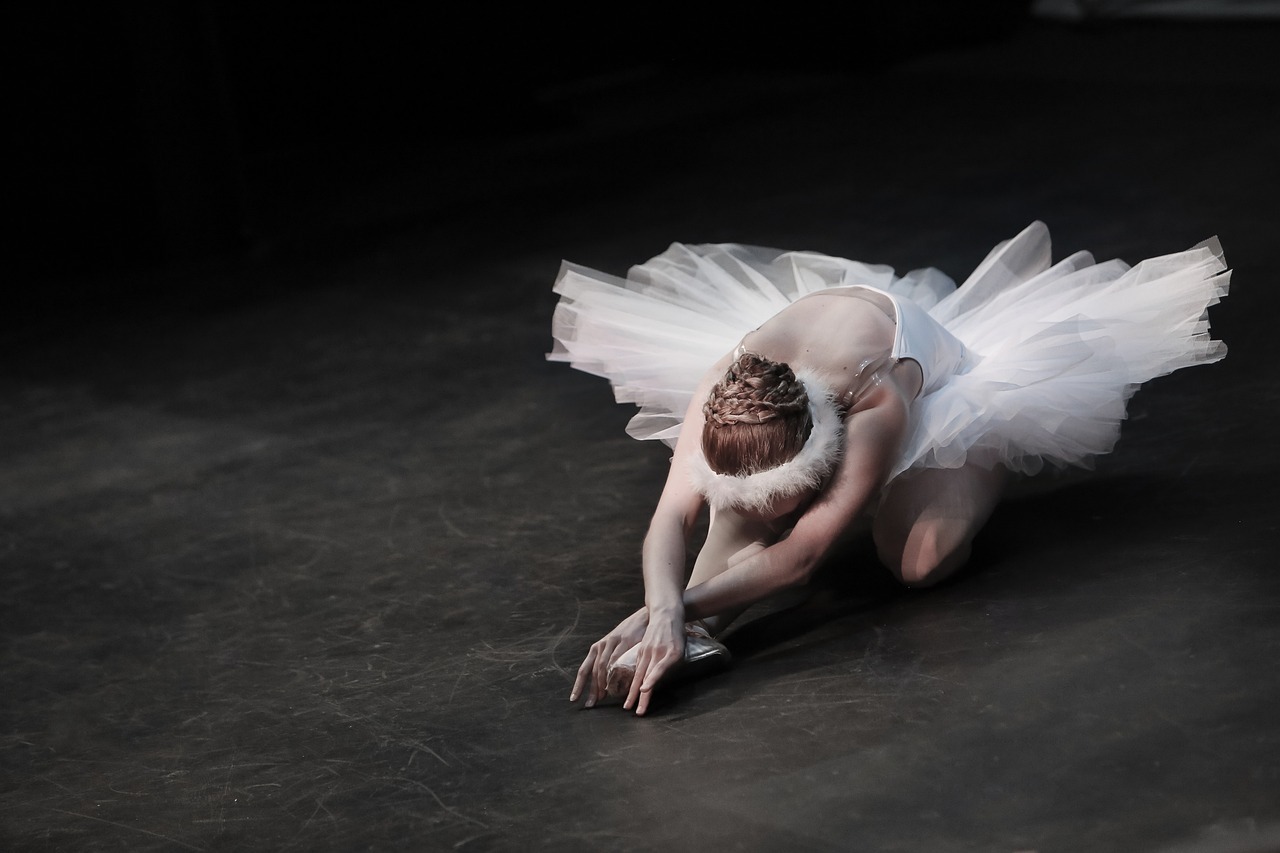
Designed to impress, the venue featured gold leaf, red carpets, and seating for 2,000 guests. For Manchester’s “new money,” attending the ballet was a way to signal social status and prove they were just as sophisticated as the London aristocracy. Ballet also found a home within larger productions at the Theatre Royal, where dancers drew inspiration from French and Italian schools.
Christmas ballet performances were particularly beloved, enchanting audiences with “magical” sets that transformed mechanically right before their eyes.
Ultimately, 19th-century Manchester was a city of contrasts. Beyond the smoke of the factories lay a world of vibrant creativity. Whether it was the thrill of a Shakespearean tragedy or the shock of the first moving pictures, these escapes allowed Mancunians to briefly transcend the hardships of the industrial age and lose themselves in the moment.
Sources:
- http://www.arthurlloyd.co.uk/ManchesterTheatres/PalaceTheatreManchester.htm
- https://www.theatrestrust.org.uk/how-we-help/theatres-at-risk/214-theatre-royal
- https://directaccess-manchester.co.uk/2025/05/03/how-to-experience-manchesters-vibrant-film-scene/
- https://secretmanchester.com/independent-cinemas-manchester/
- https://petipasociety.com/ballet-in-the-19th-century/

