

In Manchester, it is not unusual to stumble upon a full-scale film set right in the middle of the pavement. Residents might spot stuntmen dangling from rooftops or iconic yellow New York taxis lining the roads. From Hollywood directors to BBC showrunners, filmmakers flock here to capture everything from gritty British dramas to high-octane American car chases.
The soul of “Cinematic Manchester” lives in its streets, which often become characters in their own right. These thoroughfares breathe history, knowing exactly when to fade into the background and when to command the spotlight the moment the cameras roll. For those looking to dive deeper into the city’s filming locations, the Manchester-Trend website offers a comprehensive guide.
Streets as Cinematic Protagonists
In filmmaking, the environment is just as vital as the lead actors. While audiences might think they are watching a high-speed chase through Manhattan or the shady dealings of a London gang, the story is often actually unfolding in Manchester. The city has rapidly become a director’s favourite due to its unique blend of industrial heritage and sleek modernism. The cobbled lanes of the Northern Quarter, for instance, can be effortlessly transformed into London, Berlin, or New York.
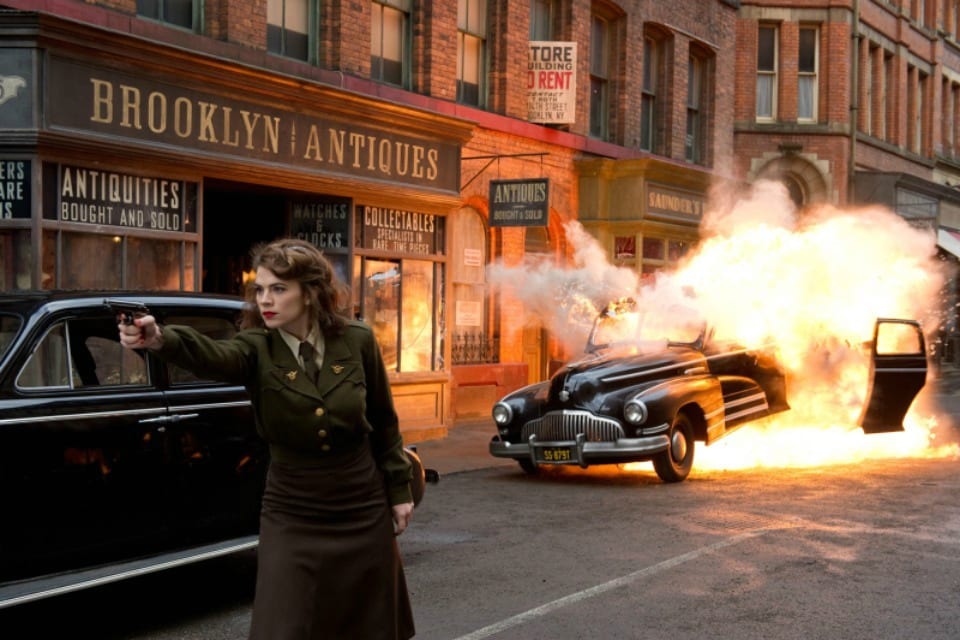
The Northern Quarter remains the city’s crown jewel for location scouts. Its narrow red-brick streets, external fire escapes, and distinctive architecture allow for incredible visual versatility. A prime example is the 2011 blockbuster Captain America: The First Avenger, where Dale Street was dressed with vintage US signage and period vehicles to recreate 1942 Brooklyn. Fans have since affectionately dubbed the area “Manc-hattan.”
The surge in production is no accident; local authorities actively champion the industry, providing streamlined permits and logistical support. This proactive approach makes Manchester a premier hub for both domestic British hits and massive international franchises.
Recognisable Locations
Many of the city’s landmarks have played “active roles” in major plots, though viewers might not always realise they are looking at Manchester. Authentic pre-war buildings, vibrant street art, and ubiquitous red brickwork make it a master of disguise.
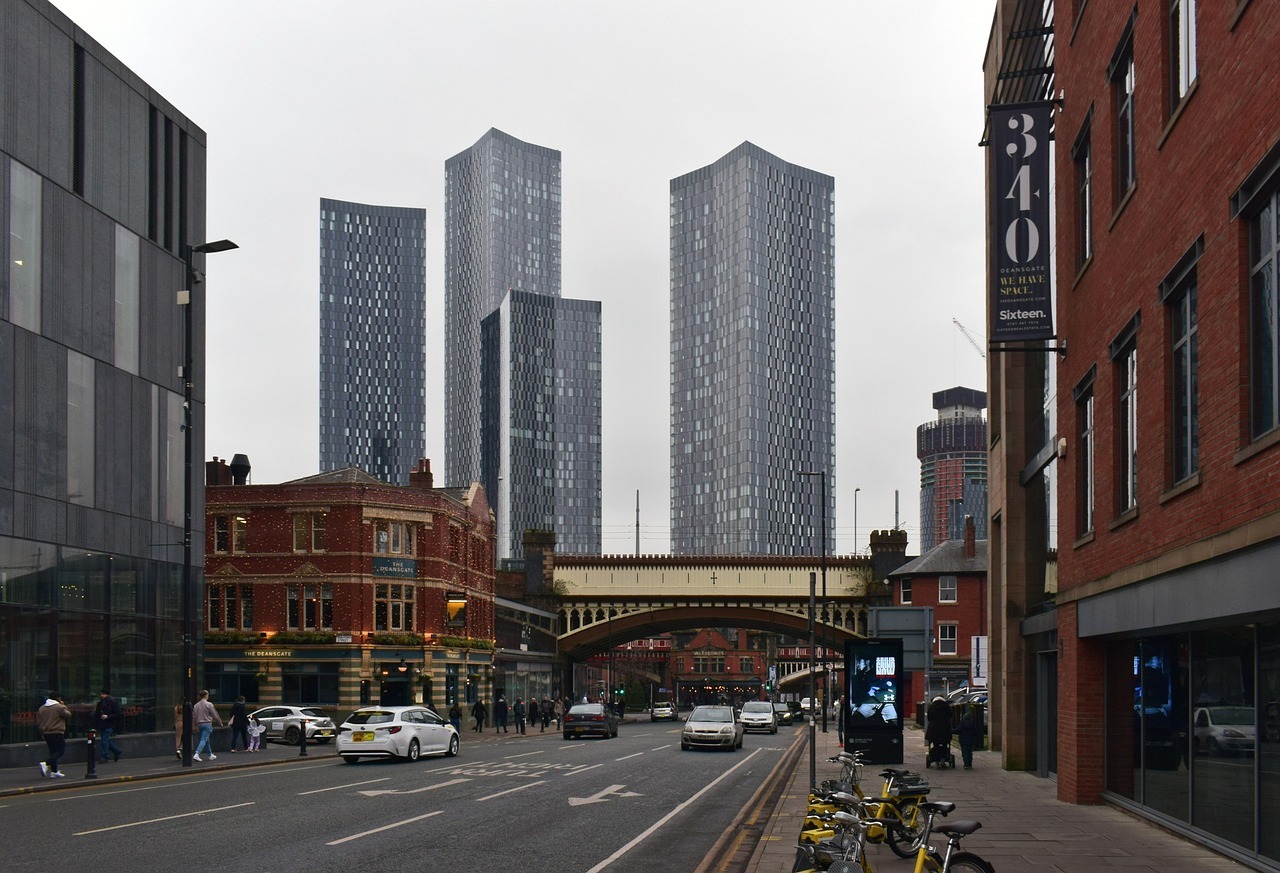
Here are some of Manchester’s most famous “street characters”:
- The Northern Quarter: Its brick facades and tight alleys are a staple for modern comedies and gritty dramas alike.
- Whitworth Street: Known for its grand industrial aesthetic, perfect for atmospheric or “noir” sequences.
- Dale Street: The heart of the Northern Quarter’s New York transformation. Alongside Paton Street and China Lane, it has featured in Captain America, Morbius, and The Crown.
- Stevenson Square: A fan favourite, famously used to depict London in the global hit series The Crown.
- Castlefield: This historic district’s rugged canals and viaducts provided the iconic backdrop for the legendary series Peaky Blinders.
- Harter Street: Once home to the “Continental Club,” this area has shifted from industrial warehouses to luxury apartments, continuing to draw the eyes of cinematographers.
- Anita Street: A picturesque location that has served as the setting for numerous beloved television stories.
Today, these streets are a magnet for tourists. Dedicated “location tours” allow visitors to walk in the footsteps of Captain America or imagine Tommy Shelby rounding a corner. These aren’t just pedestrian walkways; they are places where world-class stories are told.
Heritage and the Future of Film
The city’s filmmaking community is both vast and supportive. Screen Manchester, the city’s official film office, acts as a bridge for production companies, helping them secure resources and permits. Cultural hubs like HOME Manchester further enrich the scene, offering screenings, workshops, and networking events for the next generation of talent.
For creatives, the annual Manchester Film Festival is an unmissable event, showcasing diverse global talent and fostering industry connections.
Ultimately, Manchester’s streets are more than just a backdrop—they are silent partners to the actors, setting the mood and anchoring the narrative. Whether it’s the reflection of factory chimneys in the canals or the modern skyline towering over cobbled alleys, every corner has a script it remembers. With its rich history and logistical prowess, Manchester has firmly established itself as the UK’s leading cinematic hub outside of London.
Sources used:
- https://www.premierinn.com/gb/en/things-to-do/manchester/film-locations.html
- https://www.visitmanchester.com/things-to-see-and-do/tours-sightseeing/walking-tours/manchester-film-tv-map/
- https://themanc.com/tv-showbiz/famous-films-and-tv-shows-that-were-shot-around-manchester/
- https://www.metfilmschool.ac.uk/articles/blogs/a-filmmakers-guide-to-manchester/?utm_source=chatgpt.com

