


Manchester is often associated with its industrial heritage, but the city has also been a hub for cultural and innovative advancements. In the early 20th century, as cinema gained popularity, Manchester saw the emergence of specialised venues that played a pivotal role in the development of cinematography. Among the first was The Picture House, whose fascinating story is detailed below. Next on manchester-trend.
The Rise of Cinematography in Manchester
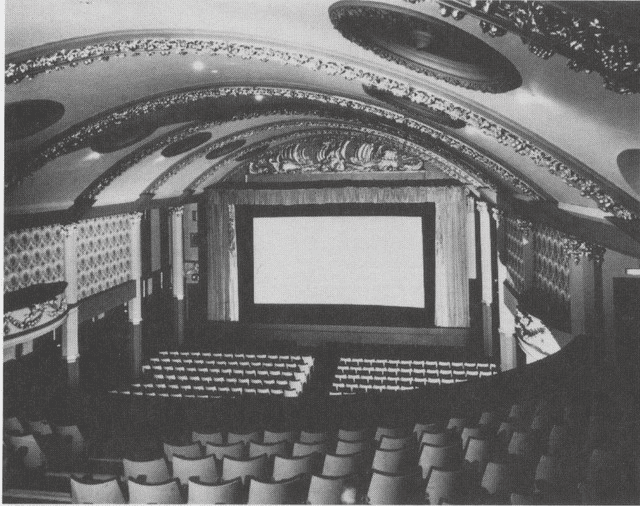
By the late 19th and early 20th centuries, cinema was becoming increasingly popular across the UK, including Manchester. However, dedicated cinema venues were scarce. Film screenings often took place in travelling shows, music halls, or theatres. With the growing demand for cinema, Manchester needed a specialised venue.
In 1911, The Picture House opened its doors as Manchester’s first purpose-built cinema. Designed to meet the unique requirements of film screenings and audience comfort, it set the standard for future cinemas in the city. Initially built for the Provincial Cinematography Theatres Company, it was later renamed Oxford Picture House in 1927, likely due to its location at the corner of Oxford Street and Chepstow Street.
The Majestic Architecture of The Picture House
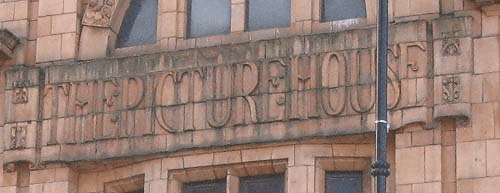
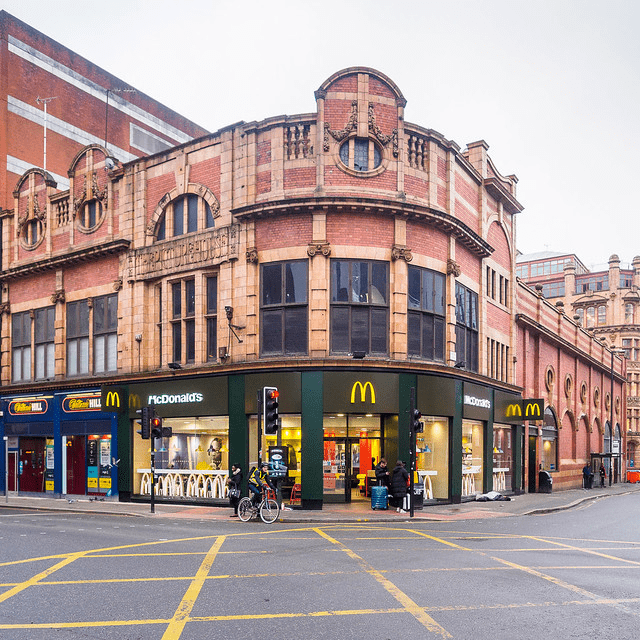
The Picture House was not merely a place to watch films; it was an architectural landmark. Designed by Naylor and Sale, the building featured red brick with bright orange terracotta details. While the upper facade has remained unchanged, the lower part has been modernised to house retail spaces, including a McDonald’s in the 21st century.
The cinema’s elegant facade and comfortable interiors reflected Manchester’s commitment to cultural innovation. The venue, accommodating several hundred patrons, was equipped with state-of-the-art projection technology, ensuring high-quality visuals and a memorable viewing experience.
During the silent film era, screenings at The Picture House were accompanied by live music, often performed on a piano or organ. Musicians synchronised their performances with the on-screen action, adding drama and emotion to the viewing experience. For many Mancunians, visiting The Picture House was more than entertainment—it was a grand occasion.
The Impact of The Picture House on Manchester’s Cinematic Development
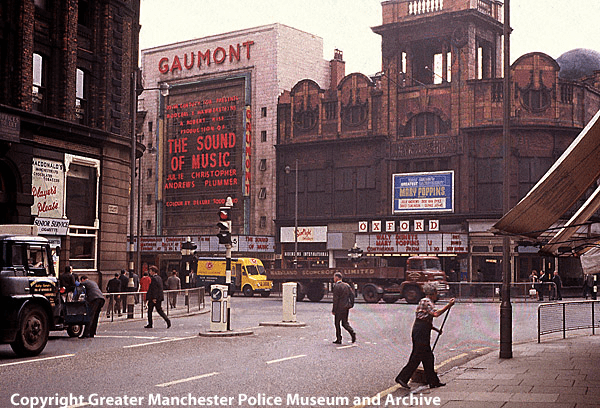
The opening of The Picture House marked a turning point in Manchester’s cultural life. It introduced audiences to films from Britain, the United States, and Europe, sparking widespread interest in this new art form. The cinema became a popular and accessible leisure destination for the city’s working-class population.
As the first dedicated cinema in Manchester, it played a significant role in popularising cinema as an art form and industry. Its existence encouraged the production of new films, strengthening the film business, including in Manchester itself. The venue also pioneered advancements in screening technologies, such as sound and colour, further cementing its place in cinematic history.
The Picture House quickly gained popularity, paving the way for a network of cinemas in Manchester by the 1920s. These new venues competed to attract audiences with more lavish designs and cutting-edge technology.
What Happened to The Picture House?
As cinema evolved, audience expectations grew. By the late 1920s, the advent of sound films and the construction of larger, more modern theatres challenged venues like The Picture House. By the mid-20th century, new cinemas offering widescreen projections, surround sound, and air conditioning overshadowed Manchester’s first cinema.
In 1929, The Picture House came under the management of Gaumont British Theatres. By 1931, it was operated by J. F. Emery Circuit, which managed it until 1946. In 1953, the cinema adopted CinemaScope technology, enabling widescreen film screenings. It became a primary venue for 20th Century Fox films in Manchester, alongside Deansgate Cinema.
By the 1960s, the cinema was owned by the Rank Organisation and used for special screenings, including extended runs of blockbuster films. However, as the popularity of such films waned, the cinema’s repertoire shifted to less prominent works. The Picture House closed in the autumn of 1980, ending its legacy with a screening of The Long Riders.
In the mid-1980s, the building was repurposed into a McDonald’s restaurant, which remains in operation today.
Despite the changes, The Picture House remains a symbol of Manchester’s early cinematic history. It not only introduced Mancunians to the magic of film but also paved the way for the city’s thriving film industry. The building stands as a testament to Manchester’s cultural and innovative spirit, reminding us of the city’s contributions to the world of cinema.