

Amidst the hustle and bustle of Manchester’s streets and its striking architecture, a vibrant theatre scene has gained immense popularity. Many adore the dazzling glare of the spotlights, the transformative power of acting, the incredible set designs, and the compelling narratives unfolding on stage. It is upon these theatrical boards that tales of love, betrayal, and hatred truly come to life.
Manchester’s theatres have staged numerous tragedies that not only make audiences feel for the protagonists but also encourage them to reflect on the profound complexities of human existence. Every performance is a story shedding light on various social issues. You can read more about the specific tragedies staged in Manchester on the manchester-trend website.
Manchester’s Theatrical Traditions
Early theatrical performances in Manchester began to flourish in the 18th century. One of the city’s first permanent venues was the Theatre Royal on Spring Gardens, which opened its doors in 1775. As Manchester grew and prospered, public support for the arts increased year by year. Notably, the Theatre Royal Manchester received a royal patent to perform spoken drama. Stages most frequently hosted classic Shakespearean tragedies, where audiences could project their own sufferings onto the fictional stories.
Following the Second World War, the opening of the Royal Exchange Theatre in 1976—housed within the historic former Cotton Exchange—sparked a true theatrical revolution. Its innovative theatre-in-the-round design brought actors closer to the audience, turning the viewing of a tragedy into an intimate conversation with the public. British theatre critics often highlight that these productions are incredibly realistic, focusing heavily on psychological depth and social injustice.
It is worth noting that the city’s modern theatrical heritage is remarkably diverse. The Palace Theatre Manchester and the Manchester Opera House are among the most popular venues. During these performances, audiences witness not only the brilliant work of talented actors but also the ongoing evolution of the city’s theatrical arts. Over the years, Manchester has seen countless tragedies on its stages. The most famous include:
- Hamlet: A classic tale of revenge, betrayal, and moral choices.
- Macbeth: A dark story about power and overreaching ambition.
- Romeo and Juliet: A romantic tragedy highlighting the devastating impact of a bitter feud.
- King Lear: A harrowing play about family conflicts and the loss of authority.
- Othello: A gripping narrative of jealousy, destructive relationships, and manipulative behaviour.
Let’s take a closer look at some of the standout tragedies staged in Manchester. These productions perfectly illustrate the genre’s evolution from classic to contemporary.
Hamlet: A Classic Tragedy
Hamlet never fails to captivate both Mancunians and visitors to the city, remaining one of the most frequently staged tragedies in Manchester. A truly landmark production took place at the Royal Exchange Theatre, starring actress Maxine Peake in the title role. She delivered a phenomenal performance, reviving the 19th-century British tradition of women playing the Danish prince (following in the footsteps of Sarah Siddons in 1777 and Charlotte Cushman in 1847). This production breathed brilliant new life into a long-standing theatrical custom.
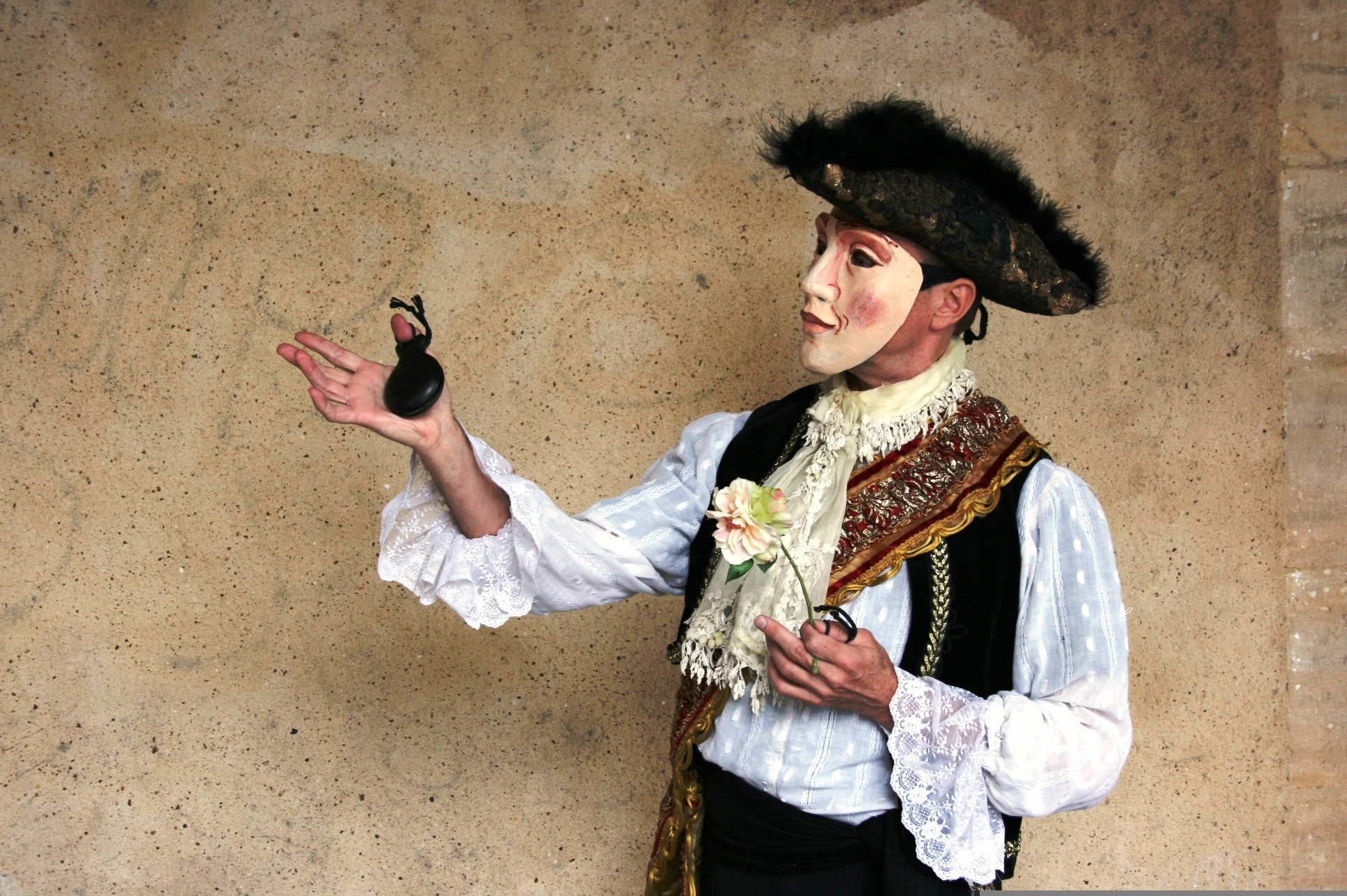
This particular staging caught the attention of critics because the director placed a heavy emphasis on the protagonist’s inner turmoil, doubts, and moral conflict. This interpretation allowed the audience to deeply connect with a man trapped by family intrigue and his own conscience.
The Tragedy of Macbeth
Another landmark production was the contemporary version of Macbeth, also staged at the Royal Exchange Theatre. Director Matthew Dunster adapted the play to fit his unique, modern vision. Some purists in the audience were slightly jarred by the visual shift, as actors appeared in modern clothing and military fatigues. The inclusion of modern sound effects further distanced this production from the historical original. However, this staging boasted many unforgettable moments that gripped the audience. Shakespeare’s poignant scene depicting the impact of war on non-combatants—where Macduff’s wife and children are brutally murdered—was handled with a shocking, visceral, and emotional finesse.
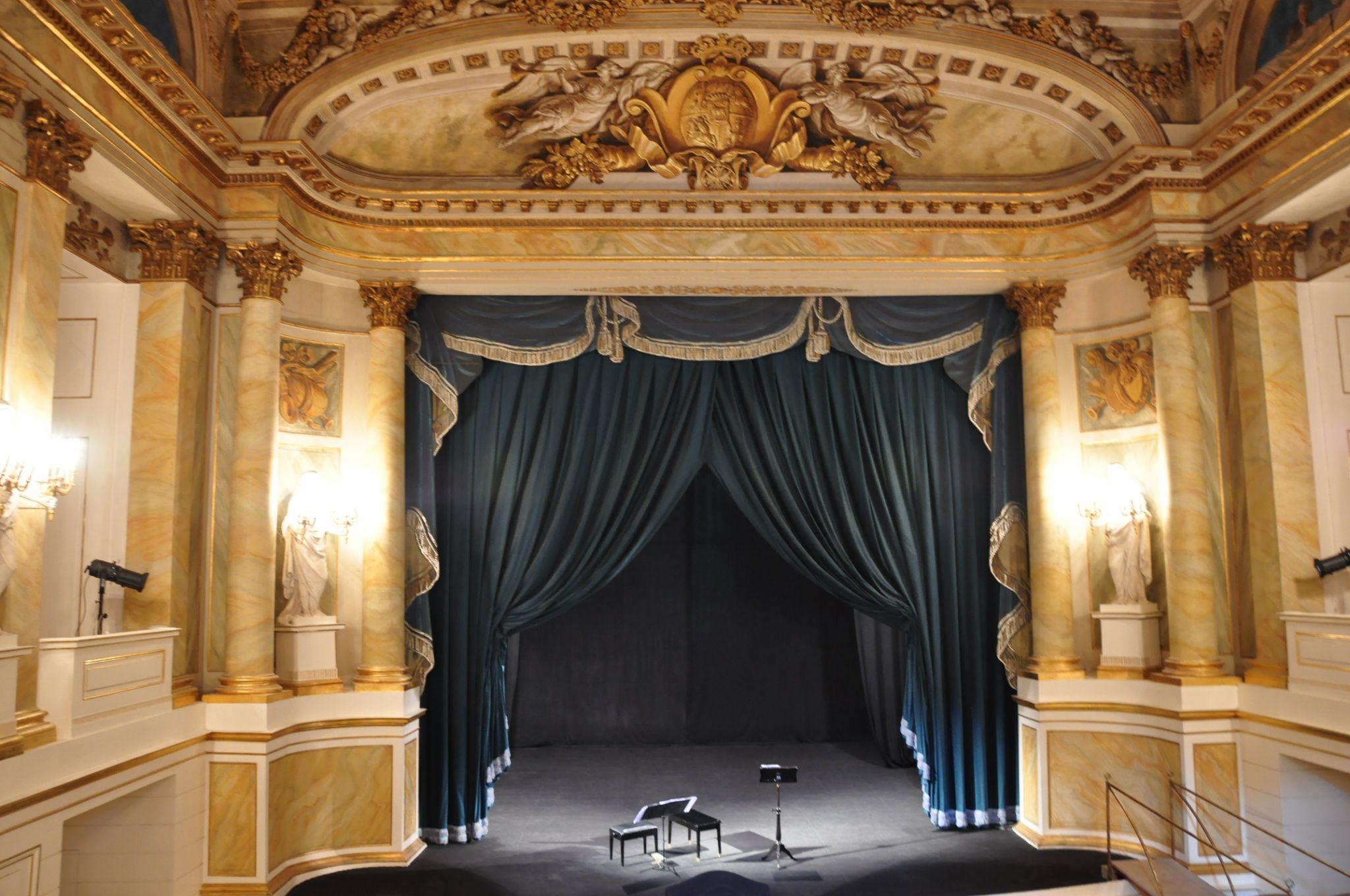
Critics noted that this specific interpretation masterfully underscored the themes of power and ambition. The production was immensely powerful, laying bare the human cost of unchecked ego.
Romeo and Juliet
Romeo and Juliet remains a beloved tragic staple. In a recent staging at the Royal Exchange Theatre, director Nicholai La Barrie presented a fresh take on the classic. It is a story of two warring families flooding the streets with senseless violence, suggesting that only love has the power to change the world. The play was packed with reckless, impulsive moments that evoked a thrilling mix of rage and awe.
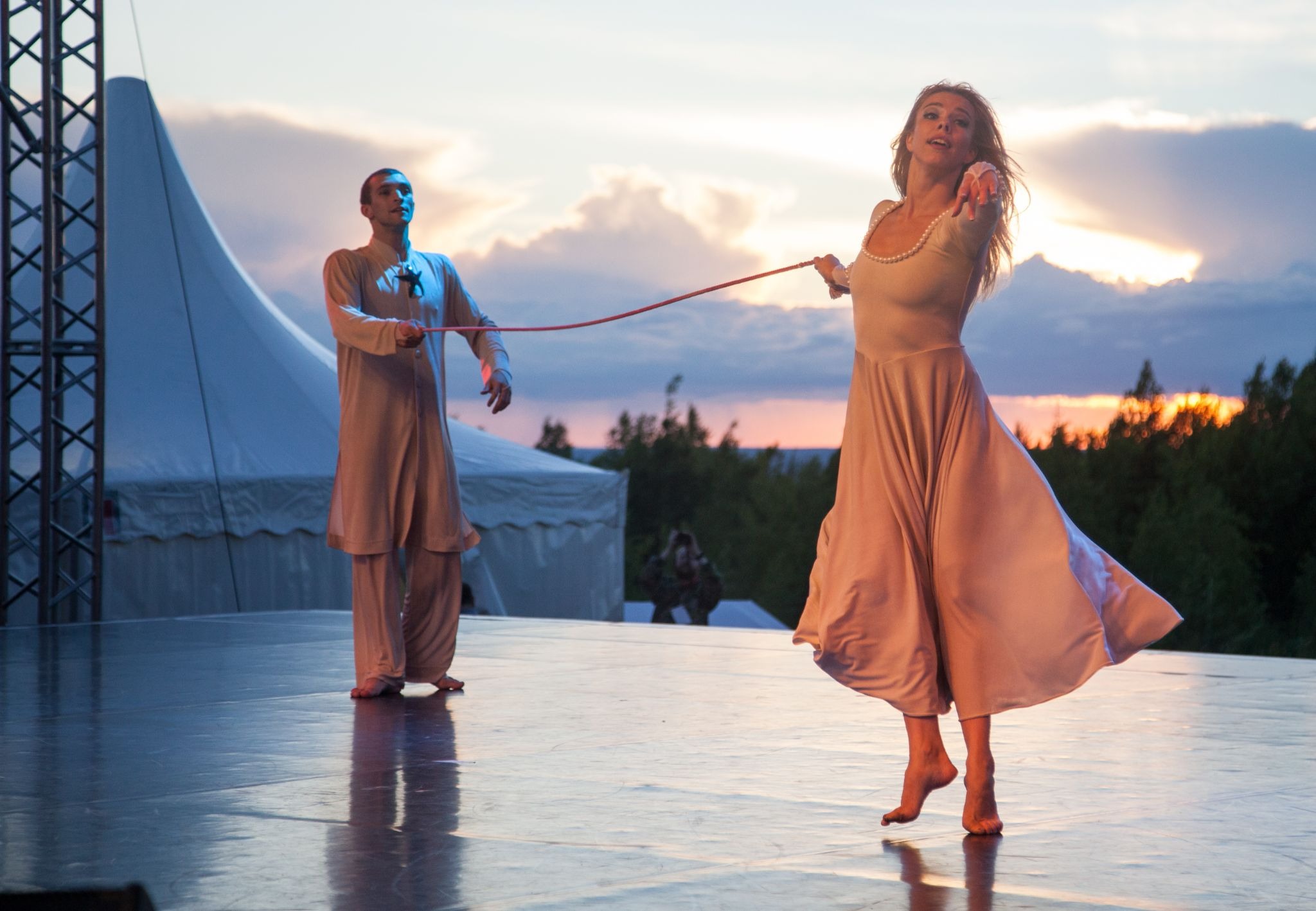
During their soliloquies, the actors broke the fourth wall, establishing eye contact and speaking directly to the audience. The crowd was even drawn into the action during the Capulet party scene where Romeo meets Juliet—spectators joined the dance while Juliet took on the roles of DJ and singer. The funeral scene was equally powerful, featuring intense lighting, thunderclaps, lightning, and real water raining down onto the stage. This immersive take on the tragic love story left a lasting impression on Manchester theatregoers.
King Lear
Matthew Dunster directed a magnificent adaptation of King Lear for the Royal Exchange Theatre. It is one of Shakespeare’s most profound plays, exploring power, betrayal, and humanity descending into absolute chaos. The tragedy illustrates what happens when a kingdom and loyalties crumble, leaving a once-mighty king driven to madness, unable to distinguish truth from lies.
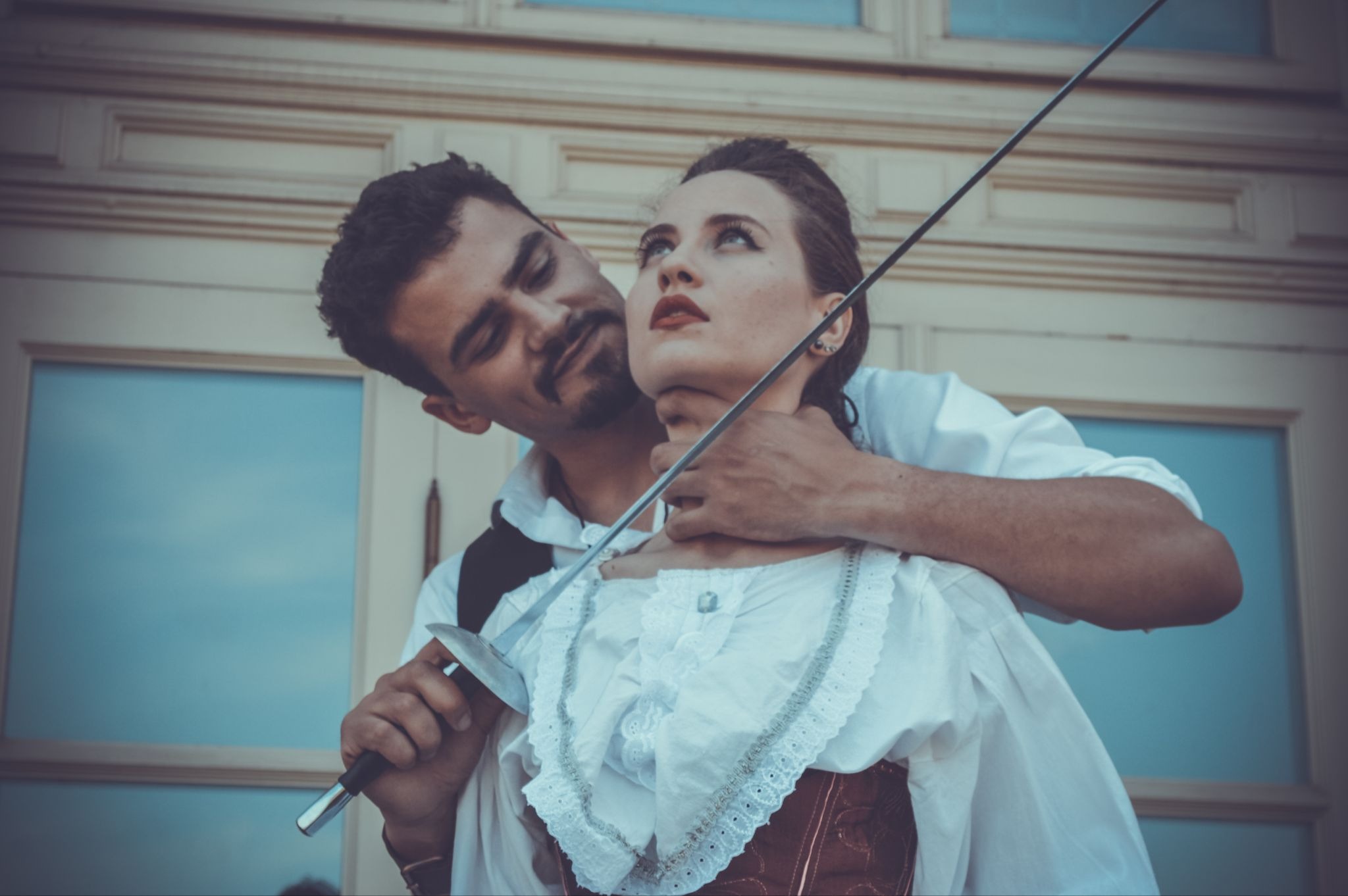
At its core, the production posed eternal questions about love, loss, and what it truly means to be human. This new adaptation brought a raw, vibrant energy to the actors’ performances, offering a bold new perspective on one of Shakespeare’s greatest masterpieces.
Othello
In any interpretation, Othello exposes the tension, paranoia, and fear that can so easily infiltrate human relationships. This play has been a frequent feature at the Royal Exchange Theatre. In 2002, for example, director Braham Murray stripped back the set design to a bare minimum, forcing the audience to focus entirely on the dialogue and the raw acting.
Paterson Joseph’s performance in the lead role was nothing short of astonishing, brilliantly capturing the psychological, emotional, and physical disintegration of the character. Critics noted that the relentless pacing and stellar acting created an authentically suffocating atmosphere of tragedy.
A Summary of Manchester’s Most Popular Tragedies
| Tragedy | Playwright | Manchester Theatre | Production Highlight |
|---|---|---|---|
| Hamlet | William Shakespeare | Royal Exchange Theatre | Starring actress Maxine Peake in the title role |
| Macbeth | William Shakespeare | Royal Exchange Theatre | A modern interpretation featuring a female lead |
| King Lear | William Shakespeare | Royal Exchange Theatre | A focus on the psychology of family conflict |
| Othello | William Shakespeare | Royal Exchange Theatre | An exploration of jealousy and manipulation |
| Romeo and Juliet | William Shakespeare | Manchester Theatres | Contemporary stage interpretations |
Ultimately, tragedies play a vital role in Manchester’s contemporary theatre scene. They not only revive the classic texts of the traditional stage but also present them through a modern lens, brimming with fresh perspectives and ideas. Through these tragic narratives, audiences are invited to re-examine the past, alongside timeless issues of love, greed, migration, and social inequality.
Manchester’s theatres prove that works written centuries ago can remain fiercely relevant today. These modern productions draw thousands of spectators because, time and again, these tragic tales help us process pain, find meaning in life, and even discover hope amidst the chaos.
Sources
- https://regionalartsjunkies.co.uk/directory-what_s_on/event/king-lear-by-william-shakespeare-manchester-royal-exchange/
- https://www.allacrossthearts.com/post/romeo-and-juliet-at-manchester-royal-exchange-theatre-an-excellent-show-and-well-worth-seeing
- https://factoryinternational.org/whats-on/hamlet-hail-to-the-thief/
- https://www.independent.co.uk/arts-entertainment/theatre-dance/reviews/othello-royal-exchange-theatre-manchester-178021.html?utm_source
- https://www.britishtheatreguide.info/reviews/RExmacbeth-rev?utm
- https://www.live-manchester.co.uk/in-review-hamlet-at-the-royal-exchange-theatre/?utm_source
- https://www.whatsonstage.com/news/review-macbeth-royal-exchange-manchester_49929/?utm_source
- https://www.theguardian.com/artanddesign/2026/mar/16/axel-burrough-obituary?utm_source

