


“The Grosvenor Picture Palace” was a significant symbol of Manchester’s cultural identity, renowned for its grandeur during the silent film era. It witnessed various phases of cinematic development, adapting to new trends while retaining its historical charm. In the 21st century, the building remains a testament to the preservation of cinematic heritage and its integration into modern urban life. Read more at manchester-trend.
The Founding of “The Grosvenor Picture Palace”
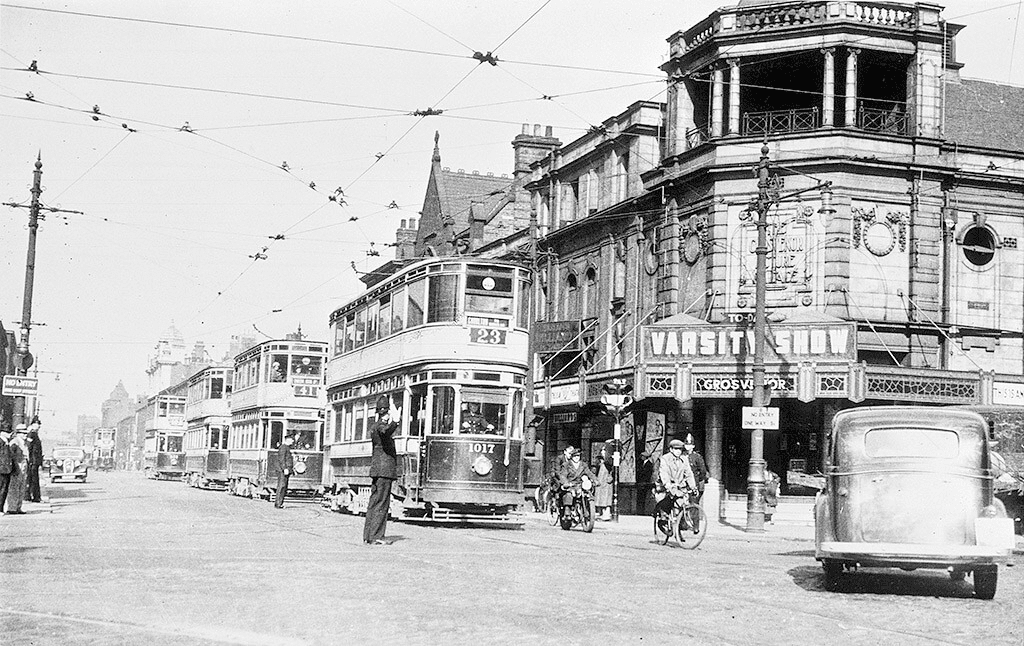
Built in 1915, “The Grosvenor Picture Palace” emerged as Manchester embraced cinema as part of its cultural identity and new wave of entertainment.
Designed by Percy Hothersall in 1913, the cinema was situated on the corner of Grosvenor Street and Oxford Road in Chorlton-on-Medlock. At its inception, it was one of the largest cinemas outside London, boasting nearly 1,000 seats. By the 1930s, the venue expanded to include a billiard hall in its basement.
Innovations and Architecture
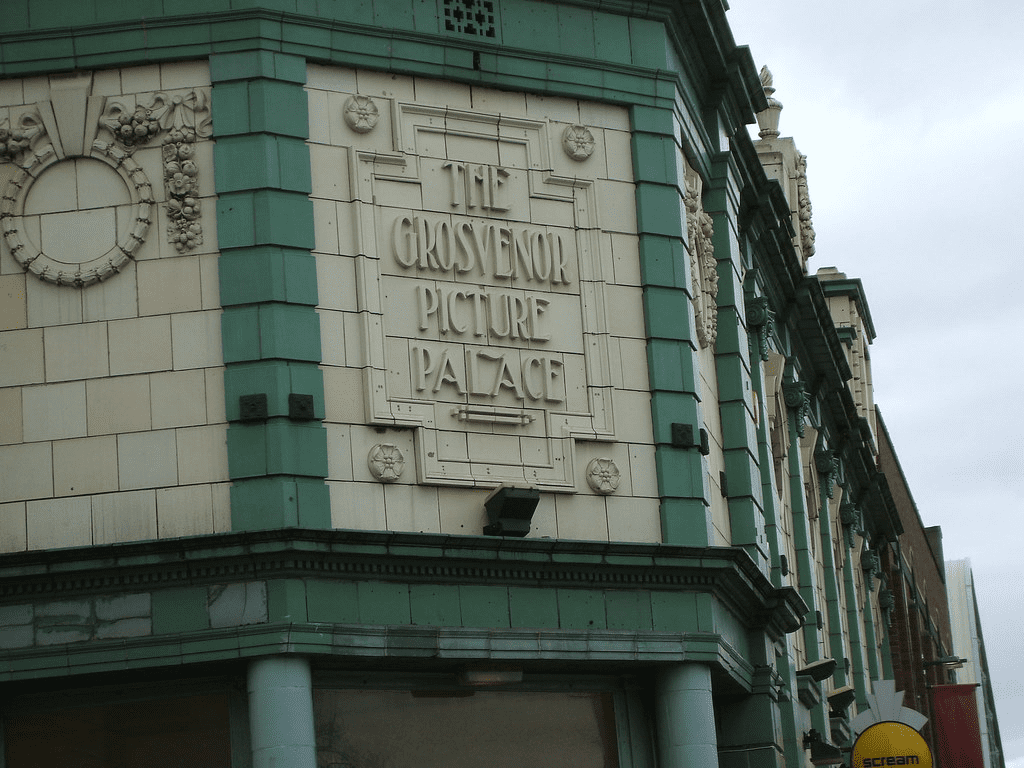
The design of “The Grosvenor Picture Palace” blended Roman-Corinthian elements with late Renaissance influences. Its stunning Edwardian Baroque architecture, enriched with ornate plasterwork and elegant interiors, made it one of the most opulent cinemas in Manchester.
Equipped with state-of-the-art projection systems for silent films accompanied by live music performances, it served as a cultural hub that united residents through the magic of early cinema.
The cinema was a two-story rectangular building with a pavilion on top, featuring beveled bays. Its façade was adorned with green and cream faience tiles and terracotta decorations, with prominent sections facing both Grosvenor Street and Oxford Road. A distinctive white terracotta torch crowned its Oxford Road façade. Despite undergoing several renovations, much of the original interior, including intricate plasterwork, a balcony, and a vaulted ceiling, has survived into the 21st century.
In 1974, the building was listed as a Grade II heritage site.
The Golden Age of Cinema at “The Grosvenor Picture Palace”
The 1920s and 1930s marked the peak of “The Grosvenor Picture Palace.” With the advent of sound films, the cinema adapted to cutting-edge technologies. Its constant evolution in line with audience preferences ensured its prominence in Manchester’s cultural life. During the first half of the 20th century, the cinema served as a primary venue for British films and Hollywood blockbusters, solidifying its role as a cornerstone of the city’s entertainment scene.
By the mid-20th century, “The Grosvenor Picture Palace,” like many single-screen cinemas, faced mounting competition from modern multiplexes and the growing popularity of television. Attendance dwindled, leading to its gradual decline.
By the 1960s, the building was managed by the “HD Moorehouse” chain, hosting film screenings and bingo games. Later, it was acquired by “Star Cinema Group” but struggled commercially due to its distance from Manchester’s city center. The final films shown at the cinema were “Passionate Demons” and “Attack of the Crab Monsters” in 1968. Subsequently, the venue was repurposed for bingo and snooker.
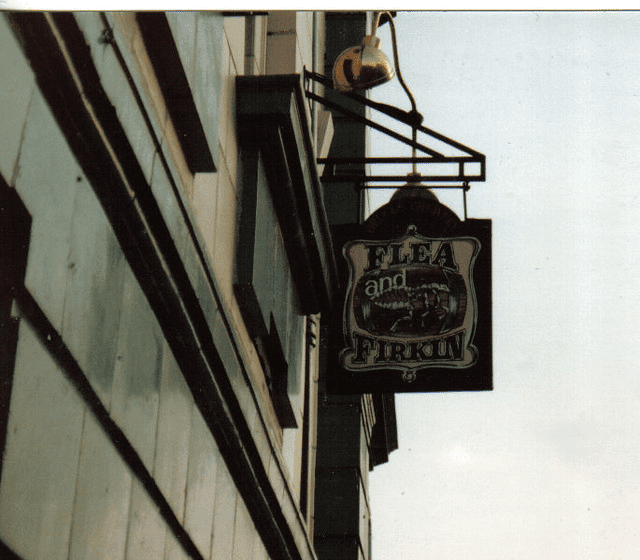
In the 1990s, the building became a pub under the “Firkin Brewery” brand, named “Flea and Firkin.” Popular among Manchester students, it was later renamed “Footage and Firkin” before being sold and remodeled into a pub. After undergoing a £360,000 refurbishment, it reopened in 2014 with a capacity for 620 patrons.
Although it no longer operates as a cinema, the former “The Grosvenor Picture Palace” building continues to play a vital role in Manchester’s cultural and student life as a café and social venue. From its golden age as a lavish Edwardian cinema to its reinvention as a contemporary entertainment space, the venue exemplifies the evolution of urban culture in Manchester.
Its history underscores the importance of preserving architectural landmarks, not just as relics of the past but as innovative spaces that bridge historical heritage with modern adaptation.
In 2024, the pub occupying the historic “The Grosvenor Picture Palace” building permanently closed, marking the end of another chapter in its storied legacy.