


In the 1960s and 1990s, Manchester was not just a city with a rich industrial heritage—it was brimming with creative energy. The cultural and musical life of the city began to take centre stage, leading to the birth of some of the most legendary bands that would forever transform British music and impact global pop culture. From punk rock to electronic dance music, Manchester’s diverse musical culture reflected the city’s life, moods, and emotions. Explore this journey on manchester-trend.
The Context of Manchester’s Music Industry from the 1960s to the 1990s
The social and economic backdrop of 1960-1990s Manchester played a pivotal role in shaping its music scene. The city was grappling with industrial decline, rising unemployment, and urban decay. These challenges fuelled a remarkable surge in musical creativity. Music became a tool for overcoming the hardships of that era.
The Birth of Music in a Gritty Industrial City
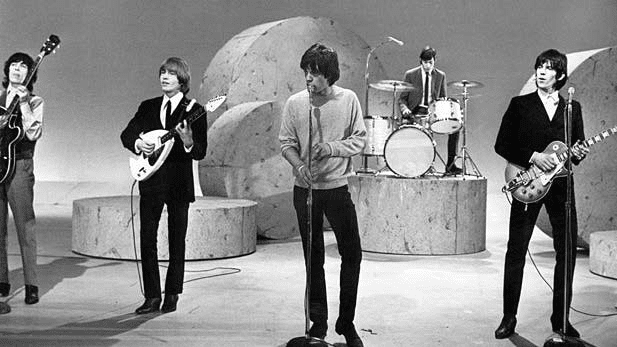
The 1960s marked a period of musical growth for Manchester, giving rise to successful bands like The Hollies, disco legends The Bee Gees, and Herman’s Hermits.
By the mid-1970s, punk rock was flourishing, and Manchester became a hub for this raw, rebellious genre. Punk rock reflected the disillusionment of a generation struggling with social and economic challenges, serving as a revolt against the establishment in both musical and cultural terms.
The punk era gave way to post-punk and rock in Manchester, introducing iconic bands like Joy Division, New Order, The Smiths, and Simply Red to the world. Post-punk, darker and more introspective, resonated with audiences, blending captivating melodies with lyrics that expressed deep frustrations.
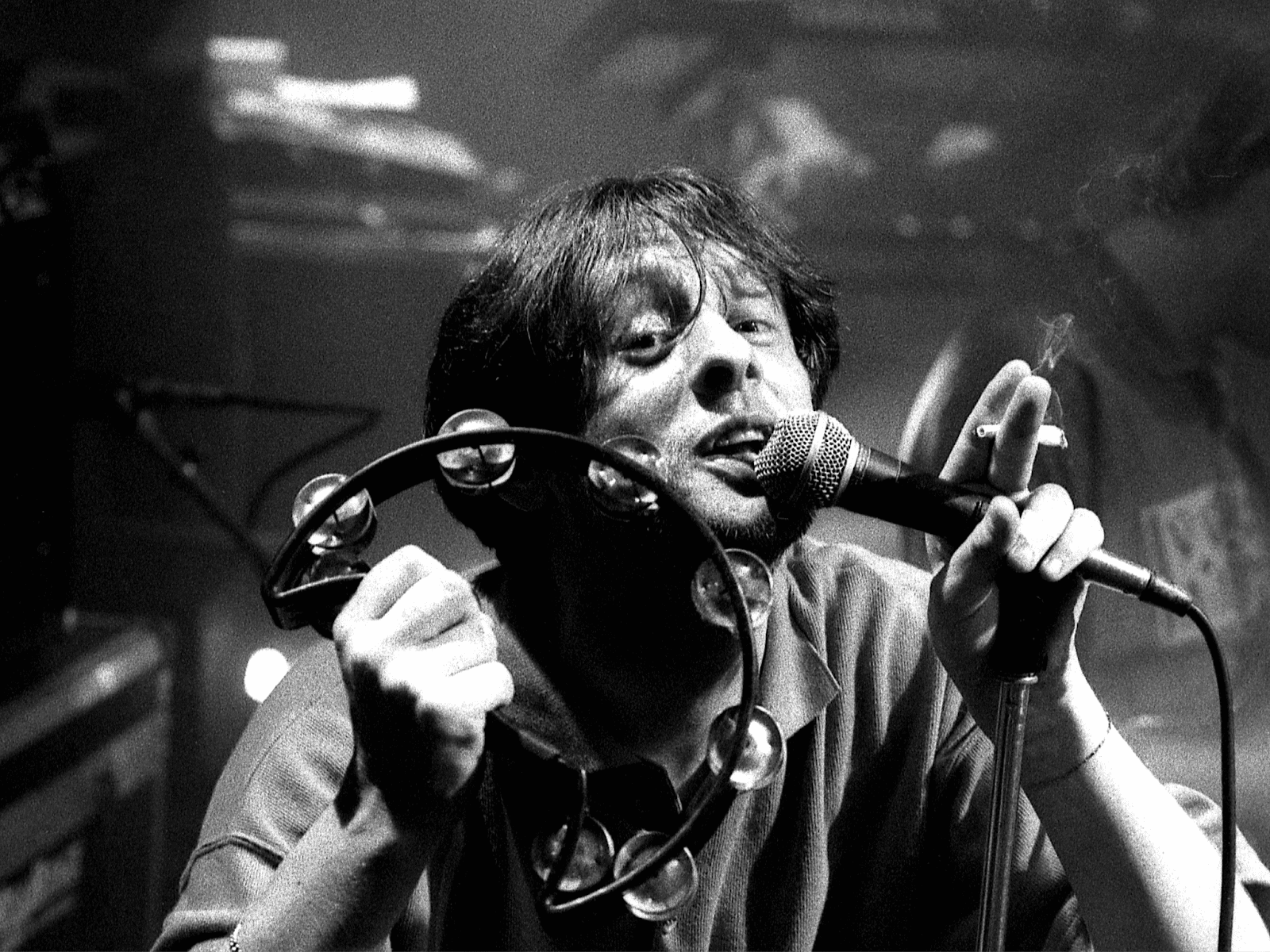
One of the key influencers of Manchester’s 1970s music culture was Joy Division. Comprising Ian Curtis, Bernard Sumner, Peter Hook, and Stephen Morris, the band became a cult icon thanks to Curtis’s melancholic vocals. Their debut album Unknown Pleasures (1979), though not a commercial success, marked the rise of post-punk.
A defining moment for punk revival in Manchester was the Sex Pistols concert at Lesser Free Trade Hall in 1976. Though a modest event, this evening forever changed the city’s music scene. Attendees went on to form influential bands like Joy Division, Buzzcocks, and The Smiths, making the concert a pivotal moment for punk culture in Manchester and the UK.
In the 1980s, The Smiths brought a distinctive sound to the era. Their guitar-driven melodies combined with heartfelt lyrics explored themes like love, alienation, and working-class identity, making them a symbol of the decade.
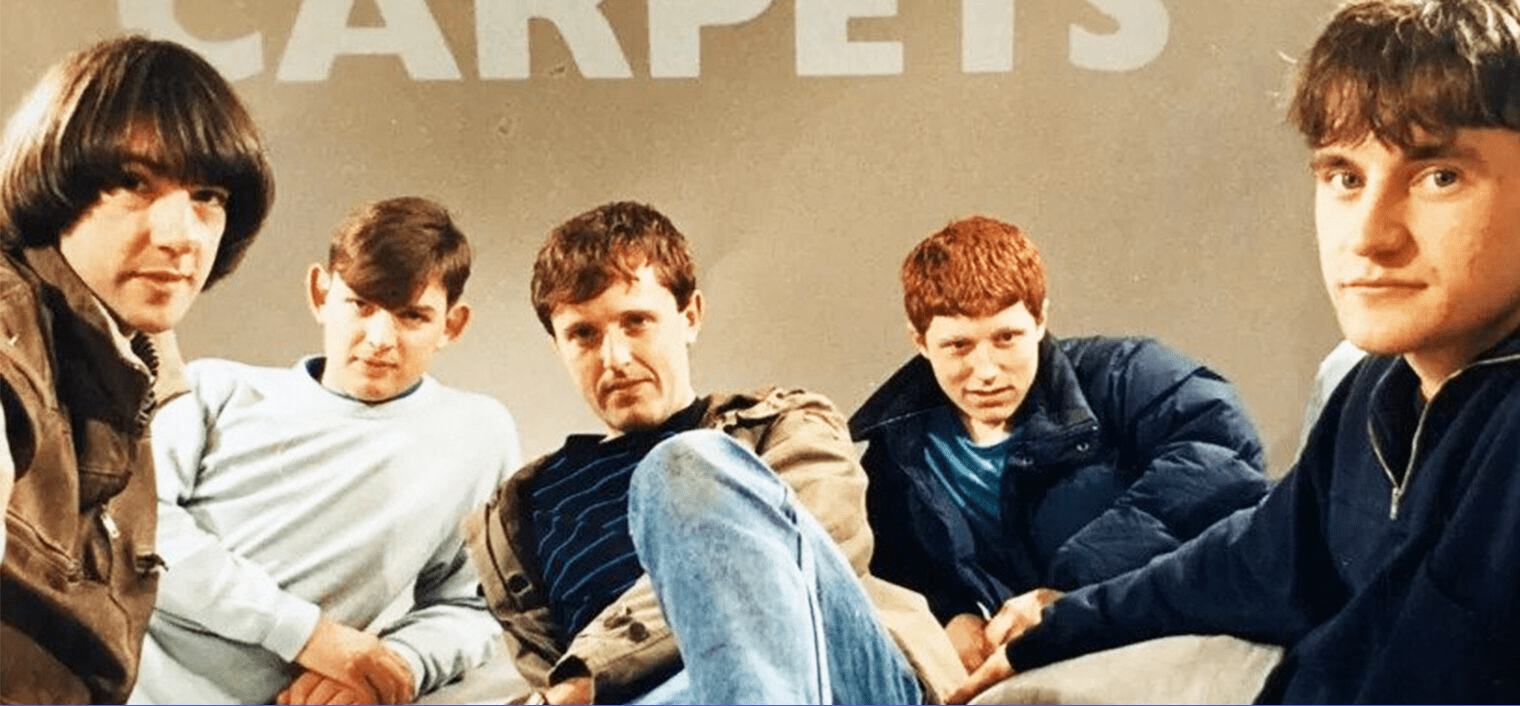
By the late 1980s, dance music took over Manchester’s nightlife. Iconic clubs, the rise of ecstasy, and the popularity of the city’s club culture gave birth to the Madchester sound. Bands like The Stone Roses, Inspiral Carpets, and Happy Mondays became emblematic of this movement.
The 1990s saw the emergence of Britpop, with Manchester’s Oasis epitomising this genre. Their anthemic tracks and rebellious energy made them the voice of a generation.
Popular Music Genres
From the 1960s to the 1990s, Manchester played a pivotal role in shaping British music, producing legendary bands across a spectrum of genres: rock, beat and soul, pop rock, rhythm and blues, punk, glam rock, post-punk, indie, new wave, Madchester, Britpop, and electronic dance music.
This era of Manchester’s music transitioned seamlessly from one genre to another, building a cultural identity for the city and the nation. From rock and punk to indie and electronic dance music, Manchester became a symbol of musical innovation and rebellion, reflecting the city’s unique cultural and industrial identity.
Manchester became the birthplace of legendary bands like Joy Division, The Smiths, and Oasis, who had a profound impact on the global music industry. The city’s musical evolution not only shaped its local culture but also influenced audiences worldwide. Even in the 21st century, Manchester’s contributions to modern music remain significant, solidifying its status as a cultural capital of the UK known for authenticity and musical innovation.
Sources
- https://inews.co.uk/culture/music/manchester-music-scene-history-26964
- https://www.visitmanchester.com/ideas-and-inspiration/blog/post/famous-bands-from-greater-manchester/
- https://duciestreet.com/news/the-soundtrack-of-a-city-manchesters-enduring-impact-on-music-history/
- https://www.prideofmanchester.com/music/1980s.htm
- https://www.npr.org/sections/world-cafe/2022/07/18/1112024158/1980s-1990s-madchester-music-playlist