


The late 1970s marked a period of explosive growth in British music. Among the influential bands emerging during this transformative era was Magazine, a group formed in Manchester that masterfully blended post-punk, new wave, and art rock. This article explores the history of this iconic band, their achievements, challenges, and eventual dissolution. Next on manchester-trend.
The Origins of “Magazine”
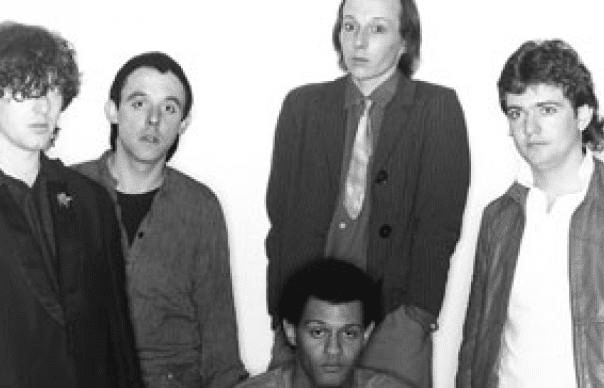
The foundation of the band dates back to 1977 in Manchester, when vocalist Howard Devoto and guitarist John McGeoch joined forces to create Magazine. Devoto quickly assembled a group of like-minded musicians, each bringing unique talent to the table. The original lineup included guitarist John McGeoch, bassist Barry Adamson, keyboardist Dave Formula, and drummer Martin Jackson.
Departing from the raw energy of punk, Magazine embraced a darker, more complex sound, infused with avant-garde influences. This distinct approach set them apart from many bands of the time.
First Recordings and Success
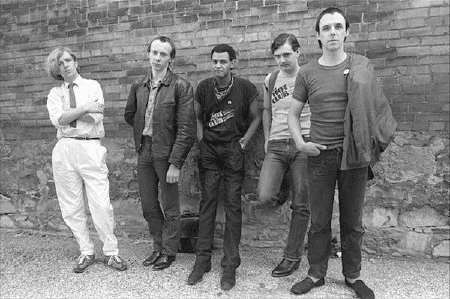
In 1978, just a year after their formation, Magazine released their debut single, “Shot by Both Sides.” The track encapsulated the essence of the band with its powerful bassline and striking guitar riffs, quickly gaining popularity. The single’s success paved the way for their first album, Real Life, which became a milestone in post-punk music history.
Real Life was a groundbreaking record, blending the raw energy of punk with the sophistication of art rock, experimental elements, and even jazz influences. As one of the first post-punk albums globally, it reshaped perceptions of rock music and inspired countless British bands that followed.
The following year, in 1979, Magazine released their second album, Secondhand Daylight, which achieved similar acclaim. The band entered the UK Top 40 charts, solidifying their reputation as a leading force in the post-punk movement.
Challenges and the Band’s Decline
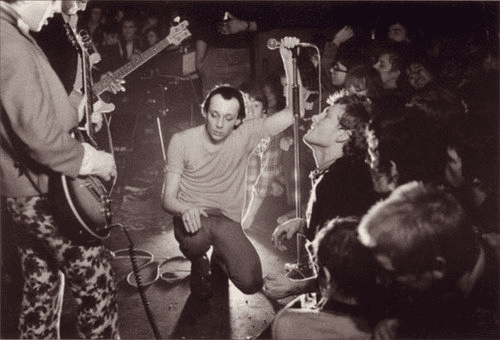
Despite their success, internal conflicts and creative differences plagued the band. In 1980, guitarist John McGeoch, whose distinctive playing defined Magazine’s sound, left the group to join Siouxsie and the Banshees. His departure was a significant blow, as his contributions were integral to the band’s identity.
McGeoch was replaced by Robin Simon, formerly of Ultravox, and the band released their third album, The Correct Use of Soap. Although still impactful, tensions within the group continued to mount.
By the time Magazine released their fourth album, Magic, Murder and the Weather in 1981, the band was on the brink of collapse. Howard Devoto, the group’s creative leader, decided to leave, marking the end of an era. His departure led to the dissolution of the band, which many regarded as the symbolic close of the post-punk era.
In 2009, Magazine reunited for a series of live performances, bringing back original members Howard Devoto, Dave Formula, Barry Adamson, and John Doyle, with guitarist Noko stepping in for the late John McGeoch. The announcement of their reunion thrilled fans worldwide, with tickets selling out within minutes.
The band embarked on a successful tour, performing in cities such as Manchester, London, and Edinburgh, including their renowned Soap Show. Building on the tour’s success, they recorded new material and, in 2011, released No Thyself, their first album in over 30 years. While the record received mixed reviews, it served as a fitting finale to the band’s storied career.
Magazine played a pivotal role in shaping the music of their era, redefining post-punk and pushing the boundaries of conventional rock. Their fearless experimentation with sound and lyrics established them as one of Manchester’s and Britain’s most influential bands. By setting new standards in British music, Magazine left an indelible mark, becoming a cultural phenomenon for the new wave of British music.
Sources
- https://www.last.fm/music/Magazine/+wiki
- https://www.theguardian.com/music/2009/feb/14/popandrock
- https://www.udiscovermusic.com/artist/magazine/
- https://www.popmatters.com/magazine-a-band-from-under-the-floorboards-2496240021.html
- https://web.archive.org/web/20220309231606/https://www.nme.com/list/100-lost-albums-you-need-to-know-1337