


Manchester is renowned not only for its industrial heritage but also for its remarkable figures in science, industry, acting, and music. Among the notable personalities of Manchester’s past is Maud Boyd, an actress and opera singer who significantly influenced the city’s performing arts in the 19th century. Let’s explore her fascinating journey. Next on manchester-trend.
The Early Life of Maud Boyd
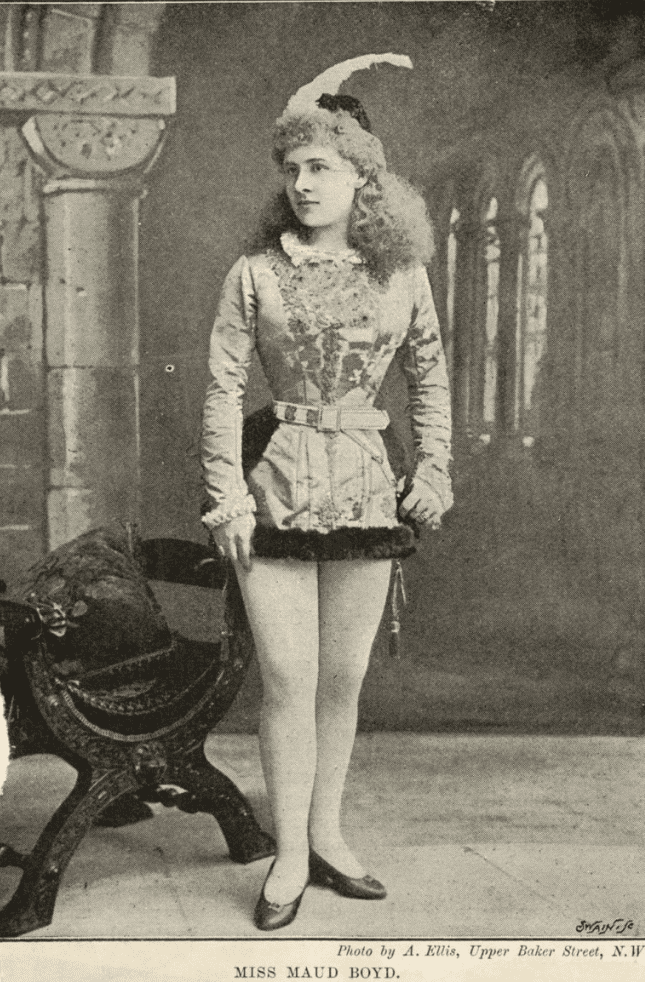
Born in 1867 in Chorlton-on-Medlock, Manchester, Maud Boyd’s passion for music and the arts was nurtured during her time at Adelphi House, a Catholic girls’ school in Salford. Music played a central role in the curriculum, which helped her discover and develop her powerful and emotive voice that captivated audiences.
Unfortunately, detailed records of Maud’s early years and her path to becoming a celebrated actress and opera singer remain scarce.
Theatrical Beginnings
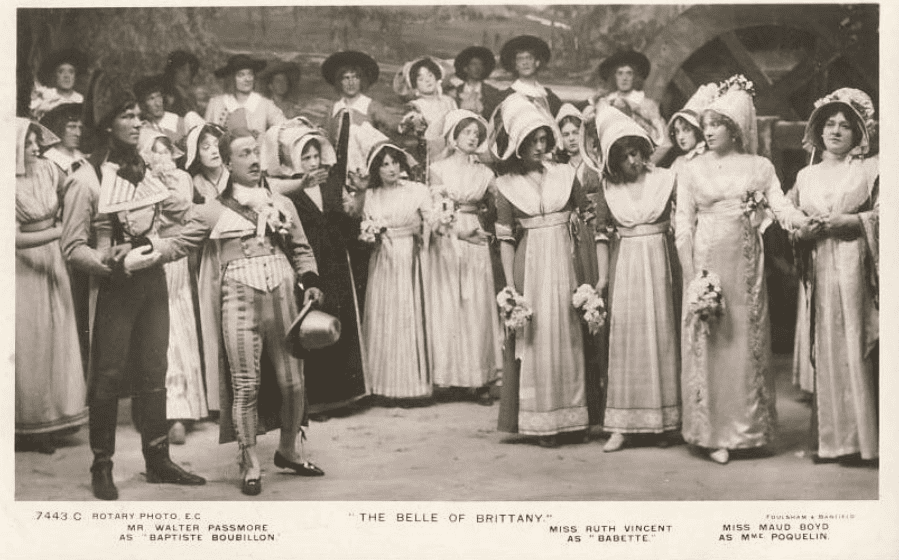
One of Maud Boyd’s unique traits as an actress was her penchant for playing male roles in pantomime performances.
Her first significant role was as Prince Charming in the pantomime Red Riding Hood, performed at the Gaiety Theatre in Dublin. The play premiered in December 1893.
Following her debut success, she secured the lead role in the pantomime Robin Hood. By early 1894, she was performing in Babes in the Wood in Liverpool, and in 1895, she appeared in a pantomime at the Royal Theatre in Hull.
Maud’s career took off rapidly, and she starred in numerous pantomime productions, including:
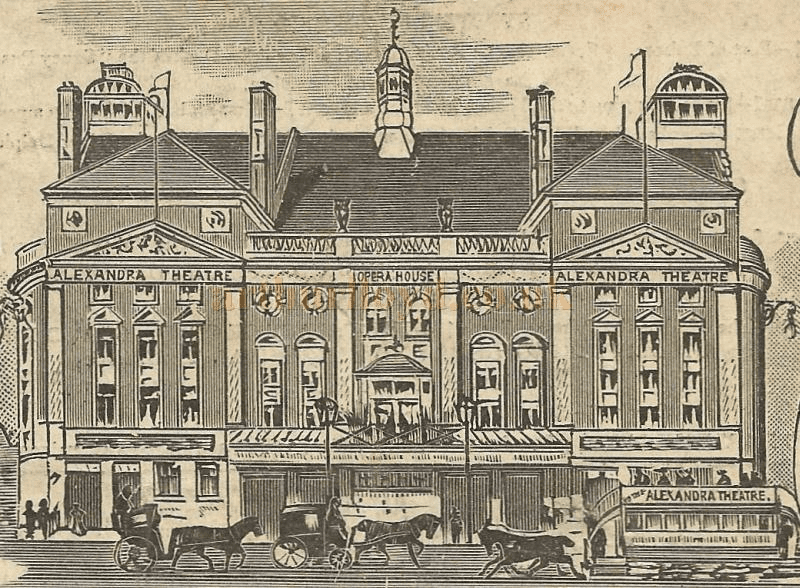
- 1897: Alice in Dick Whittington at Alexandra Theatre, Stoke Newington
- 1899: Recording Golden Island with The Greek Slave for the Gramophone Company in Dublin
- 1901: Portrayed Peterborough Court in Cinderella Ellen, Who Came Too Late
- 1900: Starred in The Forty Thieves at the Royal Theatre, Manchester
- 1901: Played Kitt in Kitty Grey
- 1906: Appeared as Lady Chaldecott in The Beauty of Mayfair
- 1908: Took on Madame Poclain’s role in The Beauty of Brittany
Maud’s versatility as an actress enabled her to excel in both dramatic and comedic roles. Her portrayals were imbued with depth, which resonated strongly with audiences, making her performances unforgettable.
Pantomime’s Popularity in Manchester
Pantomime held cultural significance in Manchester in the late 19th century for several reasons. As a form of entertainment, it united people of all ages and social backgrounds, offering a fun and accessible way to spend time together.
Pantomimes were celebrated for their elaborate costumes, slapstick humor, and interactive elements, becoming a beloved tradition in Manchester, especially during the festive season. The city’s theaters were known for their innovative and creative pantomime productions, and Maud Boyd’s contributions played a pivotal role in elevating the genre.
Maud toured extensively across Europe, performing in various cities, including Manchester, and brought fresh ideas and interpretations to her roles, captivating audiences and helping to raise the profile of pantomime.
Maud dedicated her life to perfecting her craft, striving to deliver memorable performances to her audience. Her passion for acting and theater was unparalleled, and the audience’s appreciation served as her greatest inspiration.
As both an actress and singer, Maud Boyd challenged societal norms and set new standards for the performing arts. Her bold decision to take on male roles in pantomime at a time when such choices were unconventional showcased her talent and determination. She proved that acting ability transcends gender and that women could successfully portray a wide range of characters.
Her life and career remain an enduring example for aspiring actresses, demonstrating the power of dreaming big and working diligently.
Maud Boyd passed away in 1929 in a care home in Manchester at the age of 61. Her early death cut short a career filled with potential for even greater achievements.
An intriguing detail from her personal life is that Maud never married or had children. Upon her death, she bequeathed her entire estate, amounting to £302 7s 8d, to her brother.
Maud Boyd’s legacy continues to inspire and reminds us of the extraordinary talent that emerged from Manchester’s vibrant cultural scene.