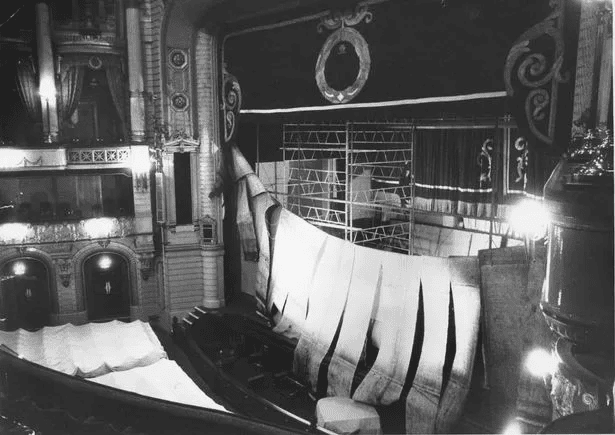
Theatre has always been a mirror of life, reflecting its joys, hardships and darkest times. In Manchester, a city that has become widely known for its industry and rich culture, theatre has played an important role in the periods of military conflicts. During the First World War and the Second World War, the city’s theatres gave hope for a brighter future, salvation from life in war conditions and a sense of unity. Theatres allowed people to plunge into the normal world and forget about the terrible events of the present. Learn more at manchester-trend.
Pre-war theatrical life in Manchester
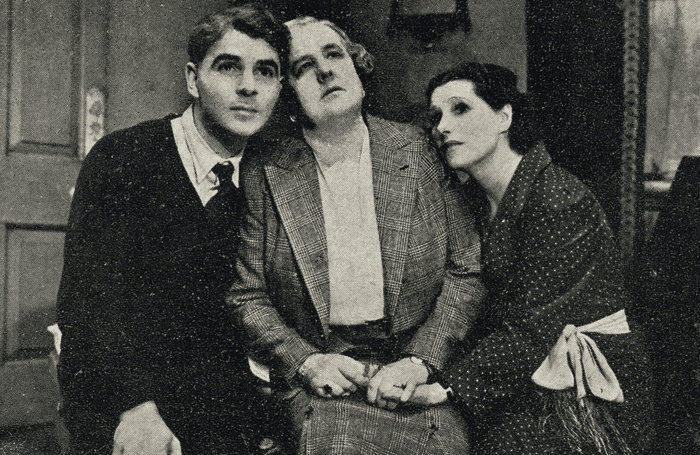
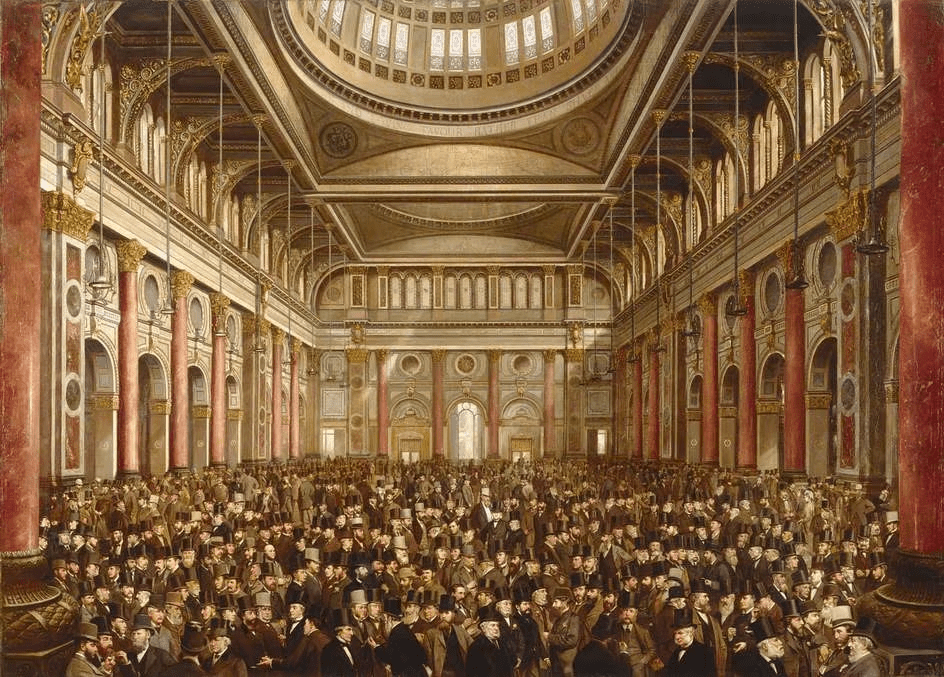
By the beginning of the 20th century, Manchester had established itself as a thriving cultural centre. It could boast of many theatres, including the Royal Exchange, the Palace Theatre, the Opera House and others. Each of them was at the heart of the city’s cultural life. Factory workers enjoyed music halls, while the wealthier elite attended Shakespearean plays, operas and classical productions.
Manchester theatres during World War I
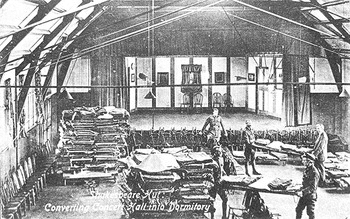
In 1914, the approaching war affected many spheres of human activity and theatre was no exception. When the First World War broke out, the future of theatre in Manchester and throughout Britain seemed very doubtful. Many actors, musicians and stagehands were conscripted into the army. It was difficult to find actors to fill roles. In addition, audiences were greatly reduced as men went off to war and families faced economic hardship.
Despite those difficulties, Manchester theatres didn’t close down but adapted to wartime conditions. In addition, most performances were devoted to patriotic topics. However, comedies and variety shows remained popular as well. The institutions organised fundraising plays to support the troops and war charities.
Manchester’s theatre scene between the First and Second World Wars
After the war ended in 1918, Manchester’s theatre scene began to recover. The 1920s and 1930s brought a new cultural boom, as audiences craved entertainment after years of restrictions and shortages. During that period, Manchester’s theatres began to stage new and very daring productions, including jazz-age musicals and drama. Manchester’s theatre life took on new colours, but unfortunately, it didn’t last long, as the end of the 1930s brought another disaster, another world war.
Manchester theatres during World War II
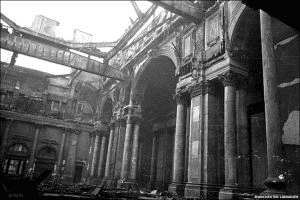
In the 1930s, the most popular cultural venues in Manchester were:
- Manchester Opera House
- The Palace Theatre
- The Royal Exchange
- Oldham Coliseum Theatre
- The Hulme Hippodrome
- and others.
It is worth noting that during the First World War, there was no military conflict on the territory of Great Britain. However, the Second World War brought not only a crisis for the cultural and theatrical scene but its complete destruction. In addition to losing mobilised actors, theatres became targets for German aviation due to the strategic importance of the city as an industrial centre of the country.
During the Manchester Blitz in December 1940, Germans threw bombs on the city, destroying entire neighbourhoods. Some of the most famous city theatres suffered too. The Royal Exchange and the Palace Theatre were completely destroyed by direct bomb hits.
But even despite the dangerous conditions and devastation, theatres tried to continue their functioning, raising the morale of Manchester residents. Performances were often held in underground shelters. Mobile theatre groups brought their performances to hospitals and military bases. Theatre in that era began to be associated not only with entertainment but also with strength of spirit and resilience.
During the Second World War, the city theatres staged patriotic performances, comedies and dramas.
Manchester’s theatrical life took a long time to recover after the end of the Second World War in 1945. After all, some of the most iconic cultural institutions were forever wiped off the face of the earth by Nazi Germany. Many war-damaged institutions were restored only in the second half of the 20th century. Many new and modern theatre spaces began to appear in Manchester in the post-war period.
During the First and Second World Wars, Manchester theatres played an important role in social life, serving not only as a place of entertainment but also as a way to maintain morale, propaganda and charity.
During the Second World War, the city’s theatres provided enormous moral support. Manchester actors performed in hospitals, factories and even at the front, raising soldiers’ and workers’ morale.
Despite the destruction, Manchester theatres continued to stage various shows, demonstrating that the British weren’t broken by the war.
In both world conflicts, theatres weren’t just entertainment but an important element of social life, uniting people in adversity.