


Manchester is not only known for its rich industrial heritage but also for its significant contributions to the development of musical arts. For decades, the city’s cultural hub has been the Manchester Opera House. Its history of creation, establishment, and evolution is a fascinating story that reflects the artistic and cultural growth of the city. Here’s an overview of the journey of the Manchester Opera House. Next on manchester-trend.
The Origins of Opera in Manchester
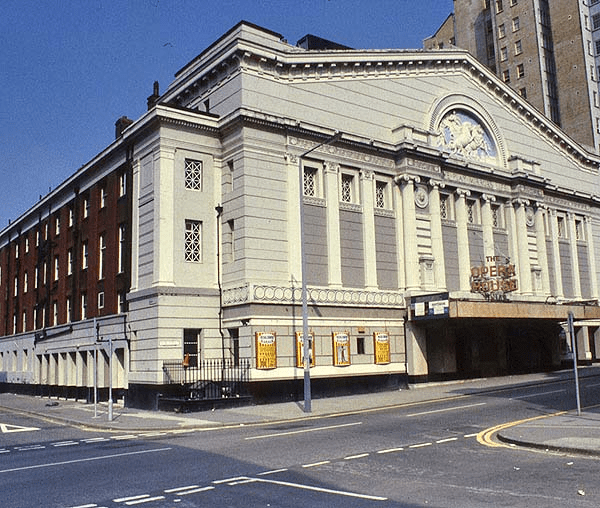
The history of the city’s opera dates back to 1912 when the opera was founded on Quay Street under the name “New Theatre.” It wasn’t until 1920 that it became officially known as the “Opera House.”
Over the years, the Opera House was managed by prominent cultural figures from Manchester, including John Hart, the leadership of Howard & Wyndham Ltd, managing director A. Stewart Cruickshank, and producer Charles B. Cochran, among others.
In its early days, the venue hosted a variety of musicals and revues. It also presented a wide range of plays, operas, and pantomimes, quickly becoming a beloved destination for Manchester residents.
In the latter half of the 20th century, the Opera House underwent significant changes. In 1979, it closed as a theatre and was converted into a bingo hall.
During the 1980s, it gradually began to return to its musical roots. By 1990, it had become a prime venue for large-scale musicals in Manchester.
The Opera House was designed by architects Richardson and Gill with Farquharson in a classical style. It houses 1,920 seats and is a Grade II listed building, highlighting its architectural significance.
Early Performances at the Opera House
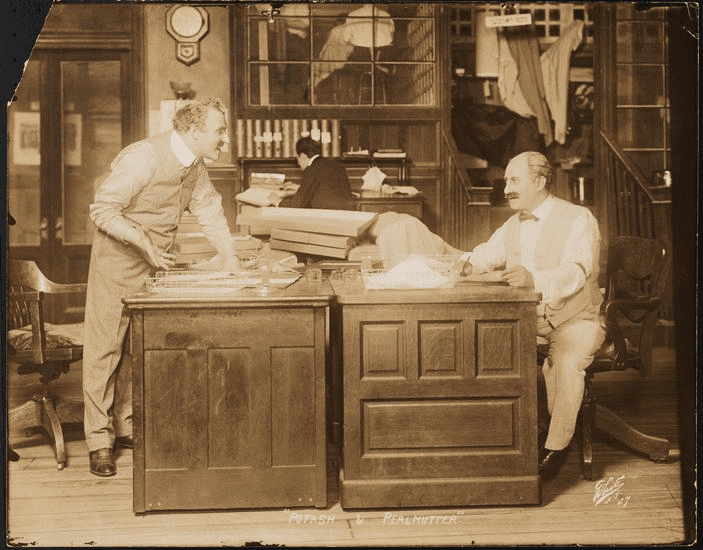
In its formative years, the Opera House presented numerous performances, including operas, ballets, and orchestral concerts. However, during World War I, the volume of performances decreased, although the venue continued to host shows. Following the war, the cultural and theatrical life of Manchester gradually resumed its full vibrancy.
During the war years, the Opera House served as a cultural sanctuary where residents could escape the realities of conflict. Two major opera companies performed there: The Moody Manners Grand Opera Company and The Beecham Opera Company. Notable stars of the era included soprano Fanny Moody, and basses Charles Manners and Harry Brindle.
After the war, Manchester residents sought joy and variety in their lives, desiring performances that offered romance, humour, and a wide spectrum of emotions. For example, in 1919, the Opera House staged Walter Howard’s “Seven Days Leave,” which received glowing reviews for its poignant portrayal of wartime heroism.
Another notable performance was the romantic comedy “Sweet Lavender,” staged in 1923, which delighted audiences with its charm and wit.
During this period, the Opera House also staged a variety of revues, including the 1921 production of “Bubbly,” which featured songs such as “We’ll Have a Little Cottage” and “Reckless Reggie” interspersed with sketches.
Even pantomimes were part of the repertoire. One standout production was the 1925 staging of “Aladdin,” starring Cecily Debenham and Margaret Sousa as Aladdin and the Princess, respectively.
Development of the Manchester Opera House
Over the decades, the Manchester Opera House has hosted many iconic performances. For instance, in 1958, it premiered the European production of “West Side Story” and the regional premiere of “The Phantom of the Opera.” The latter was a resounding success, with performances running from 1993 to 1995. The venue has also welcomed notable acts like Gorillaz.
In 2011, the Opera House staged the celebrated musicals “Take That Never Forget” and “Ghost the Musical.”
Today, the Manchester Opera House continues to present a diverse range of productions, from classic operas and ballets to contemporary musicals and plays. Its eclectic programming attracts audiences of all kinds, making it a vital part of Manchester’s cultural scene.
Over the years, the theatre has hosted renowned performers and productions, solidifying its reputation as one of the premier theatres in Manchester and the UK.
The Manchester Opera House played a pivotal role in the city’s cultural revival following both World Wars. As Manchester evolved into a major cultural hub, the Opera House remained at the heart of the city’s artistic community.
In the 21st century, the Opera House continues to serve as a cultural beacon, attracting a wide range of performances and ensuring that Manchester remains a vibrant centre for the arts.
Sources
- https://database.theatrestrust.org.uk/resources/theatres/show/1863-opera-house-manchester
- http://manchesteroperahouse.com/
- https://manchesterhistory.net/manchester/tours/tour2/area2page3.html
- https://www.manchestertheatrehistory.co.uk/2019/09/26/the-opera-house-manchester-and-the-great-war-1914-1918/
- https://www.manchestertheatrehistory.co.uk/2019/11/27/what-every-woman-know-is-the-well-kept-secret-at-the-opera-house-manchester/
- https://www.manchestertheatrehistory.co.uk/2019/10/11/the-opera-house-and-some-of-its-shows-1919-to-1921/