


Manchester is famous not only for its industrial past but also for its rich culture. There are the largest numbers of cultural institutions, including cinemas, galleries, museums, exhibition halls and theatres. The latter occupy a special role in the history of the city’s development. After all, for many decades, theatres have shaped the cultural sphere of the city, being the main source of leisure and entertainment. Unfortunately, many of these iconic institutions didn’t survive until the 21st century but new ones appeared instead. In this article, we will tell you about the young and creative Hope Mill Theatre, which turned from a historical industrial space into a vibrant cultural institution. Since its foundation, the theatre has become the centre of Manchester’s performing arts, combining the city’s rich industrial heritage and passion for culture. Learn more at manchester-trend.
Foundation of the Hope Mill Theatre

The history of the Hope Mill began thanks to Joseph Houston and William Welton. After studying and building a theatrical career in London, they got inspired by the Off West End theatres and wanted to create a similar space in their home city of Manchester. Their dream came true when they discovered an empty Victorian warehouse on Pollard Street, listed as a warehouse on Gumtree. Despite financial constraints, they secured the space and made great efforts to transform it into a theatre. The Hope Mill officially opened its doors in November 2015.
Gentrification: from industrial warehouse to modern cultural centre
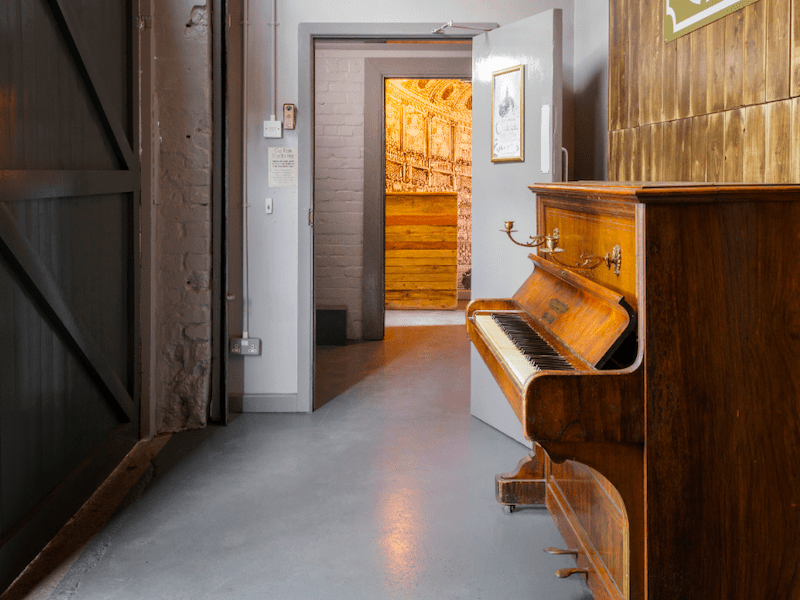
The building that now houses the Hope Mill dates back to 1824. Initially, it was a steam-powered cotton mill of the same name. It was built for Joseph Clarke & Sons, textile spinners and fustian weavers. It was also one of the first steam-powered mills in Manchester, with engines supplied by the famous Boulton and Watt. By the mid-20th century, the mill had fallen into disrepair, but was restored in 2001, eventually becoming a creative industry venue.
The theatre is a seven-storey rectangular building built of red brick. In 1994, it became a Grade II listed building. Therefore, the opening of a theatre in it has been very important for the whole of Manchester. Gentrification is a common practice adopted by the city authorities to preserve the historical past and revitalise old and neglected spaces.
Cultural uplift
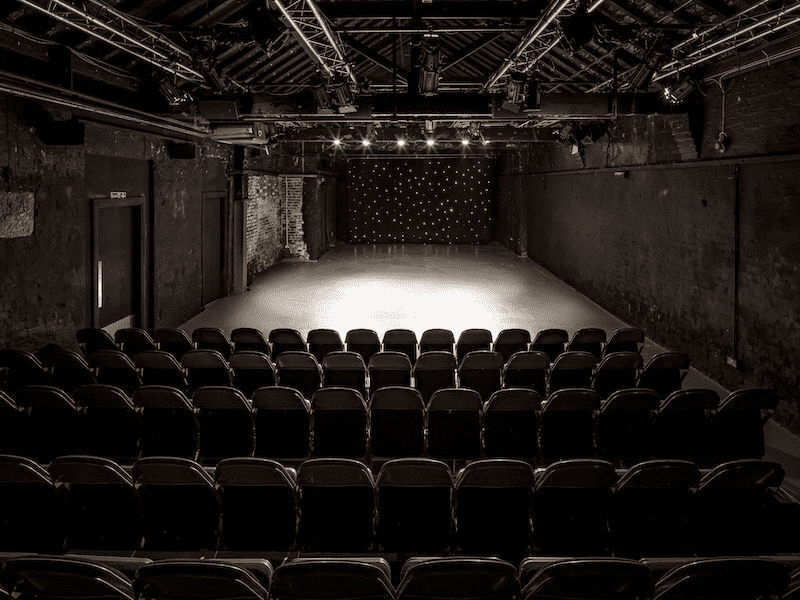
Since its creation, the Hope Mill Theatre has been a popular venue among Manchester audiences thanks to its diverse and highly ambitious productions. Working with producer Katy Lipson from Aria Entertainment, the theatre has produced acclaimed musicals, for example, Rags and Mame. Many of them have been transferred to London. This has been a huge success for the young theatre. The Hope Mill received the Fringe Theatre of the Year award at the Stage Awards in 2018 for its contribution to the cultural development of the city and the country.
In addition to its modern and unconventional productions, the theatre has become famous for its mission. Since its foundation, the Hope Mill has sought not only to entertain the city’s residents but also to enrich and even educate them. The theatre has become a unique place where both audiences and performers can share stories and explore their creative abilities. In 2019, the theatre became a registered charity called A Factory of Creativity to actively continue its mission and delight guests and residents of the city with creativity.
Since 2020, the Hope Mill has hosted the annual Turn on Fest. This is a theatre festival dedicated to LGBTQIA+ arts and culture. For two weeks, audiences can enjoy live performances, which are held in partnership with the Superbia programme, organised by Manchester Pride. This festival has become an important platform for local theatre groups presenting works from the queer community. In 2021, due to the pandemic, all festival events took place online, including talks with actors.
Each year, Turn on Fest presents vibrant productions and landmark events. In 2020, Qweerdog Theatre presented Absolute Certainty?, which was re-staged as part of the festival after a successful run at the Great Manchester Fringe. In 2022, the Hope Mill, in collaboration with Trans Creative, presented the musical The Regulars. In 2023, the main event was a meeting with Jill Nalder, the actor, activist and author who inspired Russell T. Davies to create the acclaimed drama It’s a Sin.
Although the theatre is considered quite young, it has gained immense popularity among all segments of the population and all ages. In the 2020s, the Hope Mill is one of the favourite places for cultural time spending among the city’s residents. Having developed from a small theatre in an old mill house into a renowned cultural centre, the Hope Mill Theatre delights audiences day after day, preserving Manchester’s history and enriching its cultural life.