


The Royal Theatre of Manchester has long been at the heart of the city’s cultural life. Hosting some of the most renowned actors, musicians, and singers from around the globe, it has also been the venue for numerous historic and grand events. From magnificent music festivals to pivotal political gatherings, the Royal Theatre has been more than a stage—it has been the setting for unique occasions that left an indelible mark on Manchester’s rich cultural identity. Next on manchester-trend.
The History of Manchester’s Royal Theatre
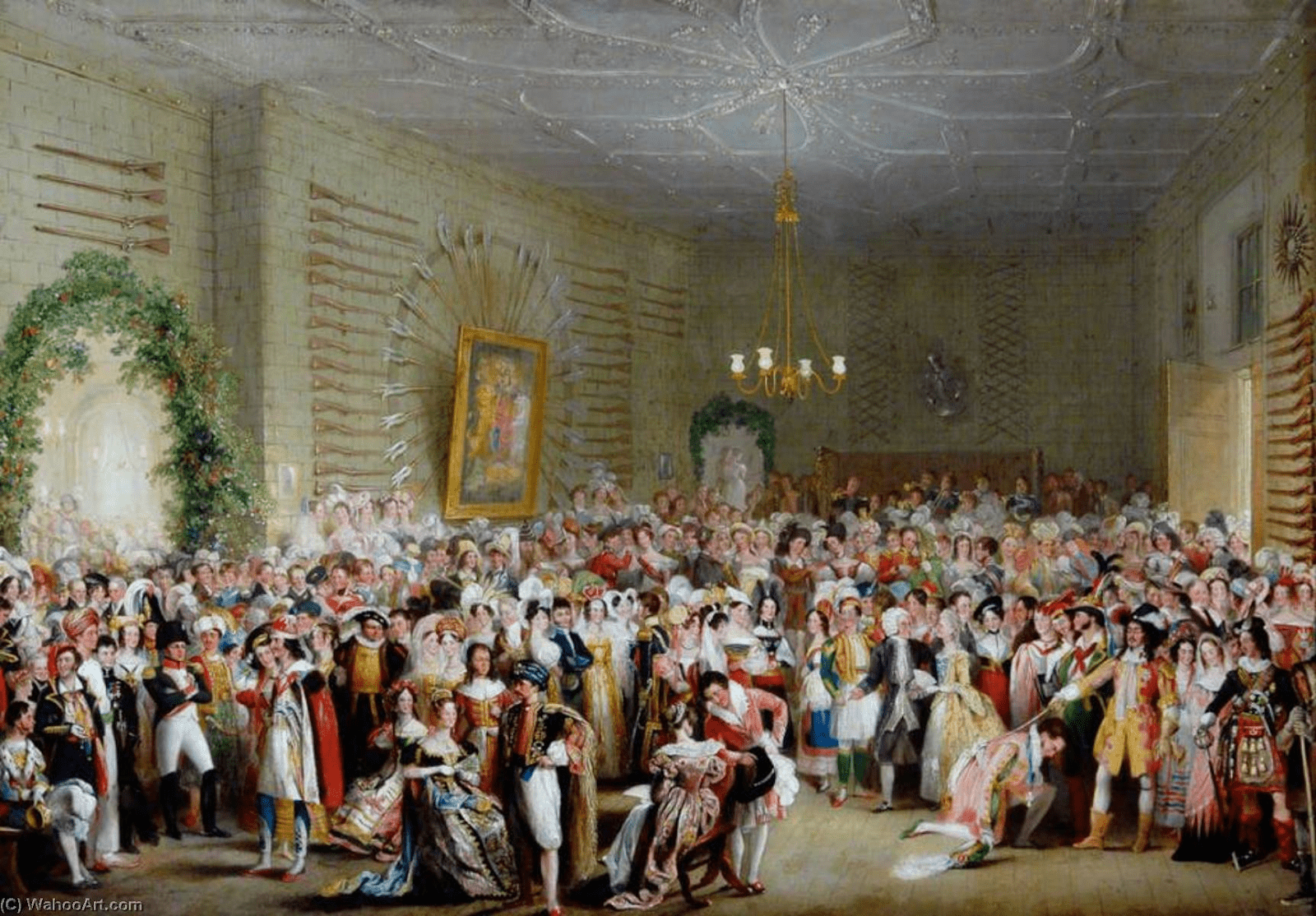
The Royal Theatre has held a special place in Manchester’s history since the 18th century. Its first version was established in 1775, located in Spring Gardens, where it remained until 1807.
A new version of the Royal Theatre was opened later that same year on Fountain Street. Unfortunately, the second theatre was short-lived, as it was destroyed by a sudden fire in 1844.
The next iteration of the Royal Theatre was built on Peter Street, where it functioned as a theatre until 1921, after which it was converted into a cinema. From 1972, the building was used for bingo, and by 1978, it had become a nightclub.
Over the years, the Royal Theatre has undergone many transformations and hosted countless events. But which were among the first?
Early Events at the Royal Theatre
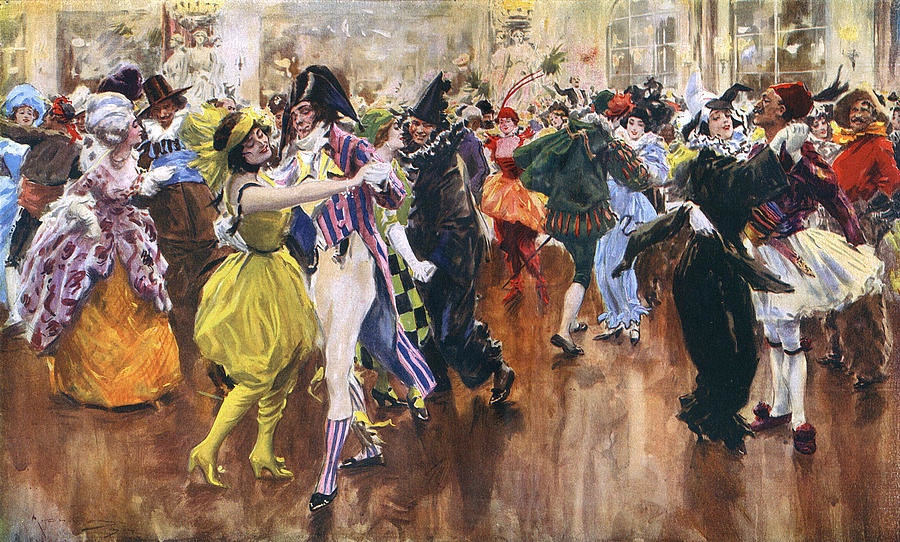
One of the most notable events in the Royal Theatre’s history was the first Manchester Musical Festival and Grand Ball in 1828. This event was a cultural milestone for the industrial city, symbolising a burgeoning cultural identity.
The inaugural musical festival was organised by prominent local figures, including the chair, vice-chair, and directors of the Gentlemen’s Concert Society Committee. The event featured some of the finest musicians and performers of the era.
The musical concert, held in October 1828, transformed the theatre into a vibrant cultural hub. The grandeur of the occasion was evident in every detail, with the Royal Theatre lavishly decorated for the festival.
Details of the Grand Event in Manchester
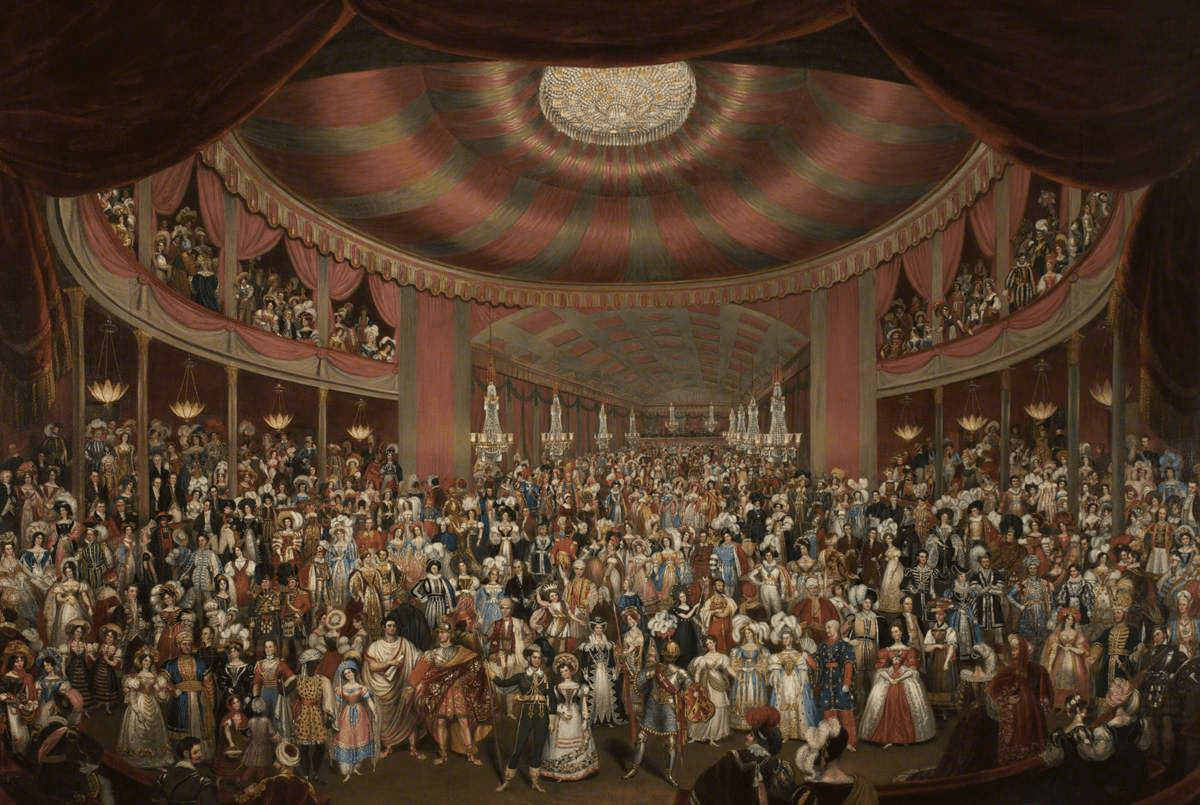
The first Manchester Musical Festival ran from 30 September to 3 October 1828, concluding with a grand costume ball at the Assembly Rooms.
The music performed during the festival included works by Handel, Haydn, Mozart, and Beethoven. The festival aimed to complement Manchester’s industrial and commercial expansion with cultural enrichment.
The festival was conducted by Thomas Greatorex and featured renowned stars of English, Italian, and French opera, including:
- Madame Angelica Catalani – an Italian soprano with a range of nearly three octaves.
- Madame Puzzi – an Italian soprano.
- Madame Maria Caterina Rosalbina Caradori Allan – a French soprano of Italian descent.
- Signor Alberico Curioni – an Italian tenor known for his resemblance to Shakespeare and nearly perfect voice.
- Signor Felice Pellegrini – an Italian bass specialising in comic roles.
- Madame Margaret Stockhausen – a French soprano.
- Miss Mary Ann Paton – a Scottish vocalist, harpist, and pianist.
- Miss Emma Sara Love – an English opera singer and actress.
- Mr John Braham – a Jewish tenor.
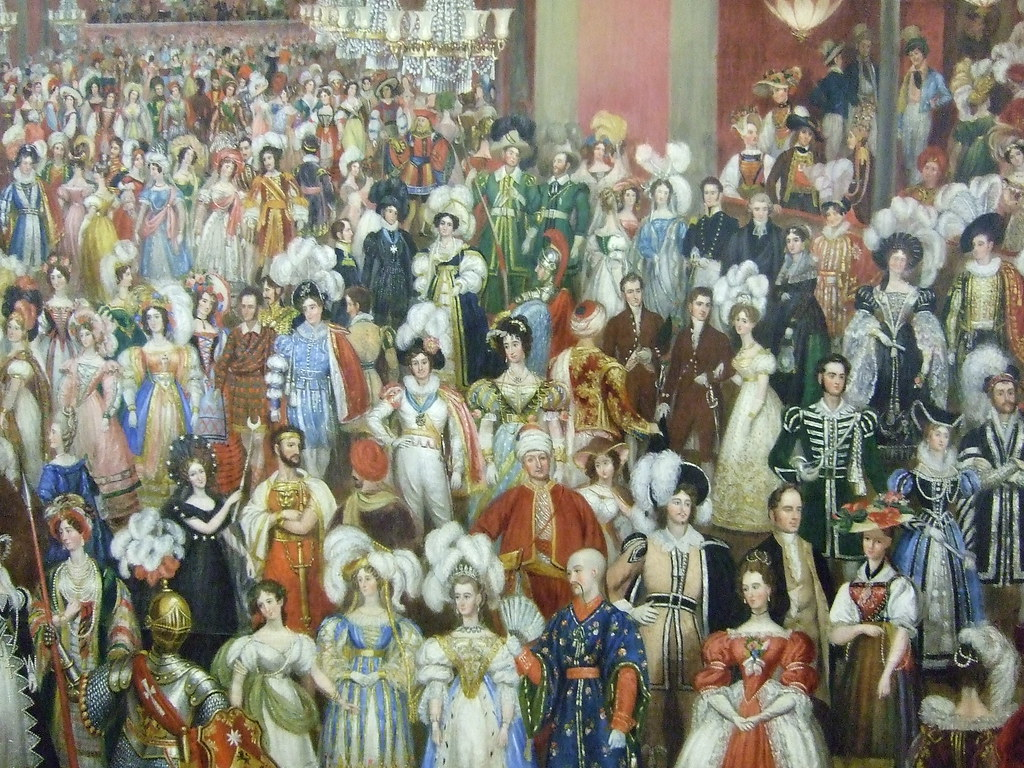
The grand costume ball, held at the festival’s conclusion, drew approximately 3,500 attendees, each paying £1.05 for a ticket (equivalent to £110 today). All proceeds were donated to charity. Additionally, over 300 attendees paid a substantial fee to be featured in a painting by artist Arthur Perigal, titled The Costume Ball.
Arthur Perigal’s painting was raffled off in a lottery, with local linen merchant Mr Peacock winning the piece. It remained in his home until 1852, after which he donated it to the Salford Museum. The painting was restored for the first time in 1994.
The Significance of the Event for Manchester
This grand event, held in 1828, laid the foundation for Manchester’s future cultural development. The Royal Theatre became a focal point for the city’s cultural life. Since the 18th century, it has hosted an array of events, from musical performances to charity fundraisers and political meetings.
Moreover, the success of the festival and ball brought Manchester recognition not just as an industrial hub but also as a city with a growing cultural presence.
Sources
- https://www.manchestertheatrehistory.co.uk/2019/08/02/manchesters-first-music-festival-and-ball-1828-at-the-theatre-royal/
- https://database.theatrestrust.org.uk/resources/theatres/show/604-theatre-royal-manchester
- https://oro.open.ac.uk/92305/1/AMENDEDTHESIS2023.pdf
- https://confidentials.com/manchester/manchester-fancy-dress-ball-maggies